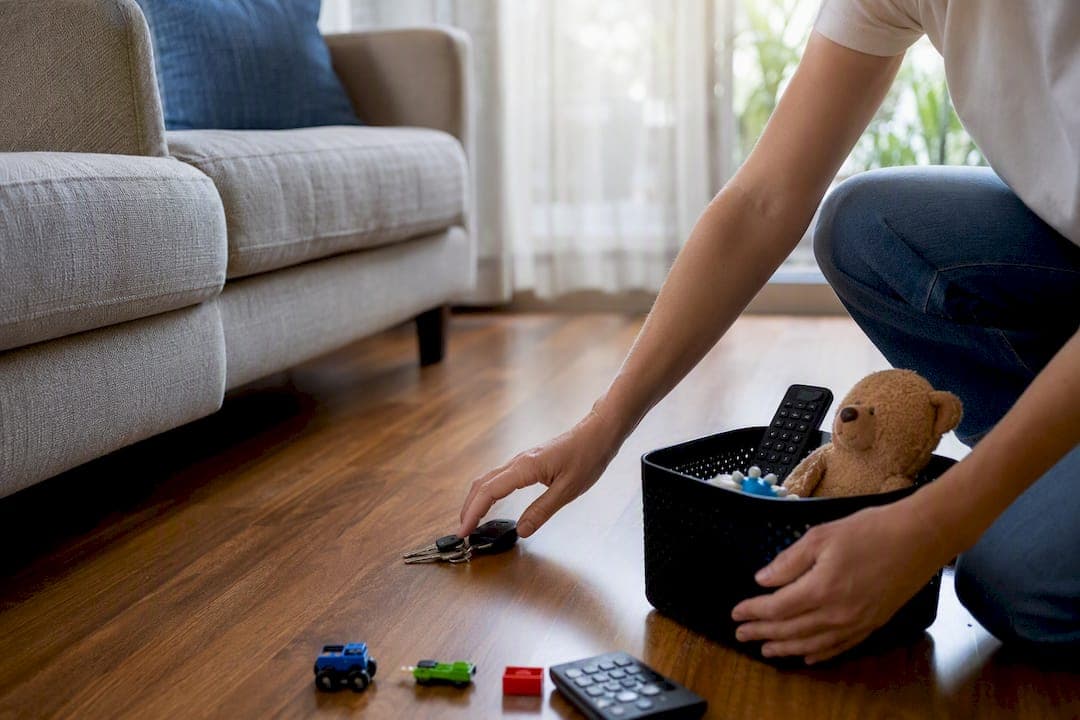
Tidy and clear surfaces and floors before your cleaner arrives. That single habit means the team spends its booked hours actually cleaning, not shifting your laundry piles or hunting for bench space, which gets you a deeper clean and better value for the same price. The only real exception is anything hazardous, like biohazards or mould, which cleaners aren't equipped to handle safely.
TL;DR:
- Clearing floors and benchtops before the cleaner arrives ensures more time is spent on actual cleaning rather than moving obstacles or clutter dislodged during the process.
- Professional cleaners recommend avoiding pre-cleaning tasks like vacuuming or mopping, as these are part of their standard service, and tidying is sufficient.
- Specific room preparations include emptying sinks and counters in the kitchen, moving toiletries in the bathroom, and collecting clutter in living areas and bedrooms within five-minute tasks.
- Biohazards, mold beyond surface spots, and sharp debris are safety risks that must be flagged beforehand to arrange appropriate specialist cleaning instead.
- Confirming access details, booking the right scope, and communicating any special requests or product preferences upfront helps ensure a smooth and effective cleaning visit.
Table of Contents
- How to prepare for cleaners in 10 minutes
- Room-by-room prep before the cleaning team gets there
- What's included in a standard clean, and what isn't
- Hazards to remove before your cleaner arrives
- Keeping pets calm and valuables safe on cleaning day
- What to tell your cleaner before they start
- What professionals say actually makes the difference
- Sorting out payment and tipping before the visit
- Giving feedback and following up after the clean
- Common prep mistakes and simple fixes
- Book a service built around this kind of prep
- Sources
- FAQ
How to prepare for cleaners in 10 minutes
You don't need an hour, and you definitely don't need to scrub anything yourself. A quick, ordered run-through gets the space ready without wasting your evening.
- Clear the floors first. Pick up toys, shoes, clothes, and stray papers from high-traffic areas, because a cleaner working around obstacles loses time you're paying for.
- Deal with dishes. Empty the sink, load and run the dishwasher if you can, and stack anything left so benches are genuinely bare.
- Sort laundry. Only strip beds if you've booked a linen change; otherwise, just get dirty clothes off the floor and into a hamper.
- Clear benchtops and tables. Cleaners need open surfaces to wipe properly. Mail, gadgets, and clutter piles all need to go somewhere else, even if that's a temporary box in the garage.
- Secure valuables and leave access notes. Jewellery, cash, and important documents should be tucked away, with a note or text covering keys, alarm codes, or parking instructions.
Professional cleaners consistently say the same thing: don't pre-clean, just tidy before the cleaner arrives. Vacuuming or mopping beforehand is wasted effort, since that's the job you're paying someone else to do.
Pro Tip: Keep a small basket in each room for loose items. When the team arrives, a two-minute sweep into the baskets does more for the final result than an hour of scattered tidying the night before.
Room-by-room prep before the cleaning team gets there
Different rooms need different five-minute jobs. Here's the quick version for each space.
Kitchen: Clear the counters completely, empty the sink, and put away small appliances like the toaster or air fryer so surfaces can actually be wiped down. Delicate cookware or anything requiring specific care is worth handwashing yourself beforehand rather than leaving it for a general clean.
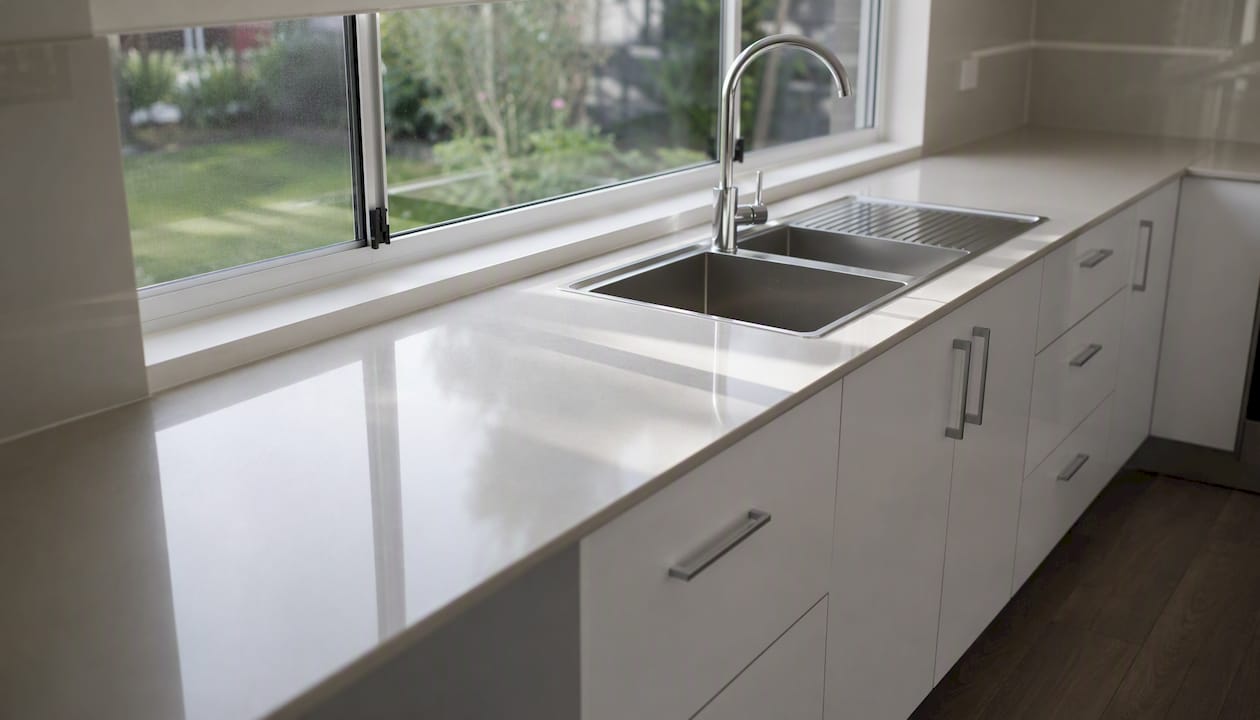
Bathroom: Move toiletries, hair tools, and skincare products off the vanity. Leave towels in place only if you've specifically booked a linen or towel change.
Living areas: Gather toys, remotes, and general clutter into a basket or bin, and lift anything sitting directly on the floor, since vacuums and mops need a clear run.
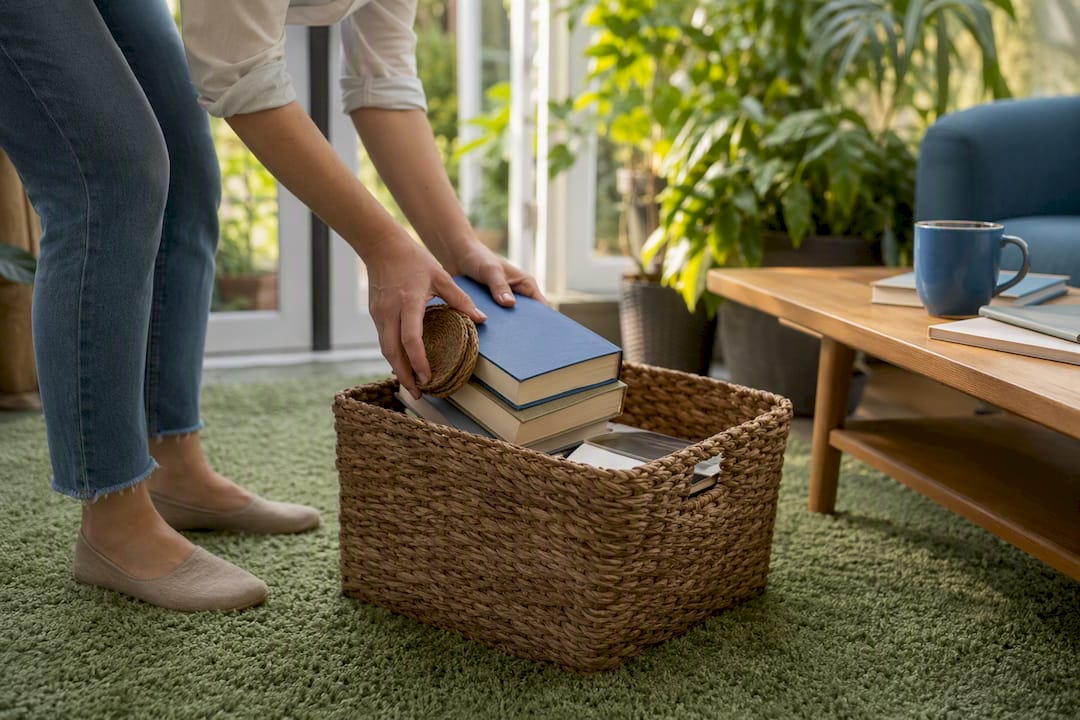
Bedrooms: Move laundry piles off the floor and strip beds only if you've arranged a sheet change with the booking. Otherwise, leave bedding as is.
Entry and hallway: Clear the walkway of shoes and bags, and leave a note covering parking, gate codes, or building access if the team hasn't visited before.
None of this is deep cleaning. It's just clearing the runway so the actual clean can happen properly, and it's the exact advice that keeps coming up when professional house cleaners talk about what separates an average result from a great one. For unit or apartment layouts specifically, the room list shrinks but the principle holds: clear floors and benches matter more than anything else.
What's included in a standard clean, and what isn't
A standard booking usually covers a defined set of tasks. Knowing the boundary before the team arrives saves an awkward conversation on the day.
- Vacuuming and mopping floors throughout the booked areas
- Dusting surfaces, skirting boards, and reachable fixtures
- Wiping and sanitising benchtops, sinks, and bathroom fixtures
- General tidying of visible mess within the scope agreed at booking
What's usually excluded or charged as an add-on:
- Washing dishes or doing laundry
- Interior oven or fridge cleaning, which typically needs specialist products and extra time
- Heavy decluttering, like sorting through boxes or piles of belongings
- Moving furniture to clean underneath it
Clearing clutter yourself isn't just tidiness for its own sake. It directly determines how much of the booked time goes toward actual cleaning versus logistics, which is the whole reason the prep matters.
Hazards to remove before your cleaner arrives
Some things fall outside what any standard cleaning service can safely take on, and it's worth knowing the line before booking day arrives.
- Blood, urine, or faeces, which count as biohazards requiring specialist remediation, not a standard clean
- Mould beyond light surface spots, since larger infestations need dedicated treatment
- Chemical spills or unlabelled containers of unknown substances
- Broken glass or sharp debris left on floors or benches
- Loose cords, rugs, or clutter creating trip hazards in walkways
Most cleaning services simply won't take on biohazard-level jobs without a specialist quote, and that's a safety boundary, not a service gap. If you know you have mould, pet accidents, or anything biological beyond everyday mess, mention it when booking so the right specialist clean gets arranged instead. It's also worth flagging allergies, since some products aren't suitable for every household.
Keeping pets calm and valuables safe on cleaning day
A cleaning visit is a disruption for pets and a risk for anything fragile or irreplaceable left sitting out.
- Crate nervous pets or shut them in a quiet room, and tell the cleaner beforehand so nobody gets an unexpected surprise mid-vacuum
- Store jewellery, cash, medications, and important documents somewhere secure and out of the main work areas
- Flag any off-limits rooms or items clearly, whether that's a home office or a shelf of breakables
Pro Tip: If your dog gets anxious around vacuum noise, put them in the backyard or a back room with a chew toy rather than trying to keep them calm in the same space. It saves stress for the pet and the cleaner.
Clear communication here does more than avoid awkward moments. It keeps the visit running on schedule and keeps everyone, including your pet, out of harm's way.
What to tell your cleaner before they start
A short handover, even a text the night before, sets the visit up to run smoothly from the first minute.
- Confirm exactly what's booked, whether supplies are included or you need to leave your own, and any specific priorities for that visit.
- Leave a visible note on the bench, or do a quick two-minute handover in person if it's a recurring booking, flagging anything that's changed since last time.
- Provide clear access details: key location, lockbox code, gate rules, or parking instructions, so nobody's standing on the doorstep waiting.
It's also worth mentioning product preferences upfront. Some household solvents, including rubbing alcohol—based cleaners, aren't suitable for every surface, so if you've got a preference or a surface that needs special care, say so before the team starts rather than after.
What professionals say actually makes the difference
The advice from people who do this for a living is consistent: clear the floors and benches, and the rest of the visit takes care of itself. That's the entire logic behind tidying, not cleaning, before a booked visit.
For readers weighing up services, Com's own approach reflects this directly: custom residential packages, end-of-lease cleans, and eco-friendly products designed around exactly this kind of practical, no-fuss preparation. For more detail on what a standard domestic booking actually covers, the Canberra homeowner's guide to domestic cleaning breaks down scope and expectations in full.
Sorting out payment and tipping before the visit
Payment terms are usually settled at booking, not on the doorstep, so it pays to confirm this early rather than assume. Most professional cleaning services take payment by card or bank transfer, either on the day or shortly after the job, and this should be clear in your booking confirmation before the team even arrives. If you're unsure, a quick message beforehand avoids any confusion when the invoice lands.
Tipping isn't standard practice for booked cleaning services the way it might be for hospitality in some countries, and it's entirely optional. If a team member has gone out of their way, whether that's an extra room tackled or a particularly thorough job on a tough stain, a small cash tip or a positive review is a genuine way to show it. Neither is expected, and no professional service should make you feel obligated either way.
What matters more than the tip itself is settling any extras before the invoice arrives as a surprise. If you've asked for something outside the standard scope, like an oven clean or extra linen change, confirm the added cost at the time you ask, not after the job's done. Most reputable services will quote this upfront rather than tacking it onto the final bill. Getting this sorted at booking, rather than haggling on the day, keeps the whole transaction straightforward for everyone involved.
Giving feedback and following up after the clean
Walking through the property once the team has finished is worth the five minutes it takes. Check the areas you flagged as priorities, and if anything's been missed or a specific spot needs another pass, most services want to know while the team is still on-site rather than finding out days later.
For recurring bookings, feedback shapes every future visit. If you preferred a particular product, want more focus on a certain room, or noticed the last clean ran short in one area, saying so directly means the next visit gets adjusted accordingly. Cleaning teams that return regularly build a mental map of your preferences, but only if you actually tell them what those preferences are.
If you're not going to be home when the clean finishes, leaving a simple written note, or a text through your booking platform, works just as well. Mention anything you noticed, good or otherwise, and confirm whether the same priorities apply next time. Most services also welcome a quick review or rating after the job, since it helps future customers know what to expect and gives the individual cleaner or team direct credit for the work.
Consistent post-clean communication is what turns a one-off booking into a service that actually understands your home over time, rather than starting from scratch every visit.
Common prep mistakes and simple fixes
Two mistakes come up constantly: people who scrub the bathroom themselves before the cleaner arrives, wasting effort on work already paid for, and people who leave valuables sitting on the bed "just for an hour." Tidy surfaces, not deep cleans, get you the best result. Tell us what worked and what didn't. It genuinely shapes the next visit.
— Deng
Book a service built around this kind of prep
Com is the practical follow-through for everything above. Rather than juggling DIY prep with a generic booking, you get custom cleaning packages built around your actual home, whether that's a regular residential clean, an end-of-lease job ahead of a handover, or office cleaning for a workspace that needs to look sharp every week.

Every job runs on eco-friendly products, police-checked staff, and no lock-in contracts, so you're not stuck if your needs change. The booking system is straightforward too. No back-and-forth phone tag, just pick a time that suits and confirm the details online. If floors are your main headache, the floor cleaning service covers steam cleaning for carpets and hard surfaces alike. Get a quote and lock in a time that works for your household.
Sources
- What You Should Do Before A House Cleaner Arrives To Clean Your Home | HuffPost Life
- Nine
- What you need to clean before professional house cleaners arrive | Lifehacker
- Care
FAQ
What should I do before my cleaner comes?
Clear floors and benchtops, deal with dishes and loose laundry, and secure valuables and pets. Skip the vacuuming and mopping entirely, since that's the job you're paying the cleaner to do.
What is the 5-5-5 rule for cleaning?
Definitions vary depending on the source, but it's generally used as a quick decluttering method: spend five minutes clearing five items from five different spots in a room. It's a handy warm-up before a professional clean, not a replacement for one.
What should a cleaner do in 3 hours?
In three hours, a standard clean typically covers vacuuming, mopping, dusting, and sanitising surfaces across the agreed rooms, with the exact scope depending on the size of the home and what's booked. Clearing clutter beforehand means more of that time goes toward actual cleaning rather than tidying around obstacles.
What is the 80/20 rule for cleaning?
That's exactly why simple pre-clean tidying has such an outsized effect on how deep a professional clean can go.
Do I need to be home while the cleaners work?
Not necessarily. Many bookings run with clear access instructions, whether that's a lockbox code, a hidden key, or a building entry system, so confirm this detail with your service before the day.