Yes, steam cleaning kills dust mites, but only when heat is paired with extraction. Laboratory research on domestic steam treatment found no live mites survived in treated carpet squares, and allergen levels dropped sharply within days of treatment. The catch is that a cheap handheld steamer waved over a rug for a few seconds won't replicate those results. You need sustained heat, proper dwell time, and something to physically pull the dead mites and their waste out of the fibres.
Here's what that means in practice:
- Do this: Use a steam vapour system or hot water extraction unit that combines high heat with suction, and go over each area slowly enough for the heat to penetrate.
- Avoid this: Single-pass, low-heat handheld steamers with no suction. They might kill mites on contact but leave the allergen debris sitting right where it was.
Pro Tip: Steam cleaning knocks mite numbers down, but it won't stop them coming back. Pair it with mattress and pillow encasements plus weekly HEPA vacuuming for allergy relief that actually lasts.
Key Takeaways
Steam cleaning kills dust mites effectively when heat is combined with suction, with peer-reviewed research showing an 86.7% reduction in Der p 1 allergen levels under proper treatment conditions.
| Point | Details |
|---|---|
| Heat plus suction is essential | Steam alone can kill mites, but extraction removes the allergen debris left behind for real symptom relief. |
| The evidence is strong | A 1995 study found zero live mites and an 86.7% drop in Der p 1 in treated carpet, versus 4.7% in controls. |
| Steam vapour outperforms alternatives | A 2014 comparative study found steam vapour produced the largest reduction in mite populations of the methods tested. |
| It's not a permanent fix | Mites repopulate, so pair steam cleaning with weekly HEPA vacuuming, hot bedding washes, and humidity control. |
| Professional extraction goes further | Com's steam and hot water extraction services combine commercial-grade heat and suction with eco-friendly products for allergy-focused results. |
Table of Contents
- Does steam cleaning kill dust mites? What the research shows
- How heat and suction actually kill mites and clear allergens
- Which steam cleaners and settings actually work
- Step-by-step: steam cleaning carpets, upholstery and mattresses
- What steam cleaning won't fix on its own
- When it's time to call in a professional steam clean
- Sources
- FAQ
Does steam cleaning kill dust mites? What the research shows
The strongest evidence for steam cleaning dust mites comes from a 1995 study that remains the reference point for anyone researching this topic. Researchers treated carpet squares with domestic steam equipment and found something striking: not a single live mite survived in the treated samples, monitored for up to four months afterwards.
The allergen data was just as compelling. Der p 1, the primary allergen protein produced by house dust mites, fell by a mean of 86.7% in treated carpet, dropping from 3.3 to 0.44 micrograms per gram. Untreated control squares saw only a 4.7% reduction over the same period, essentially background noise. That gap between 86.7% and 4.7% is the entire case for steam cleaning as an allergen control method rather than a nice-to-have extra.
A separate 2014 study backed this up under different conditions, comparing steam vapour against vacuuming, Neem oil, and a quaternary ammonium chemical treatment. Steam vapour produced the largest reduction in dust mite populations of every method tested, though the physical methods (steam and vacuuming) didn't differ significantly from each other on allergen inactivation alone.
Worth noting: these results came from controlled lab conditions with fresh equipment and trained operators. A humid bathroom, an old carpet with years of embedded debris, or a rushed weekend clean won't necessarily hit the same numbers without following a low-dust door replacement process for homeowners to keep renovation dust under control. The mechanism holds, but home conditions introduce variables the lab doesn't have to deal with.
- Colloff, 1995 study on domestic steam treatment: zero live mites post-treatment, 86.7% Der p 1 reduction
- 2014 comparative carpet study: steam vapour outperformed other nondestructive methods on mite population reduction
How heat and suction actually kill mites and clear allergens
Dust mites die from sustained heat exposure, not a quick blast of warmth. Steam above roughly 100°C at the point of contact causes what's essentially heat shock. The mite's proteins denature and its cells fail. That part is straightforward thermal biology.
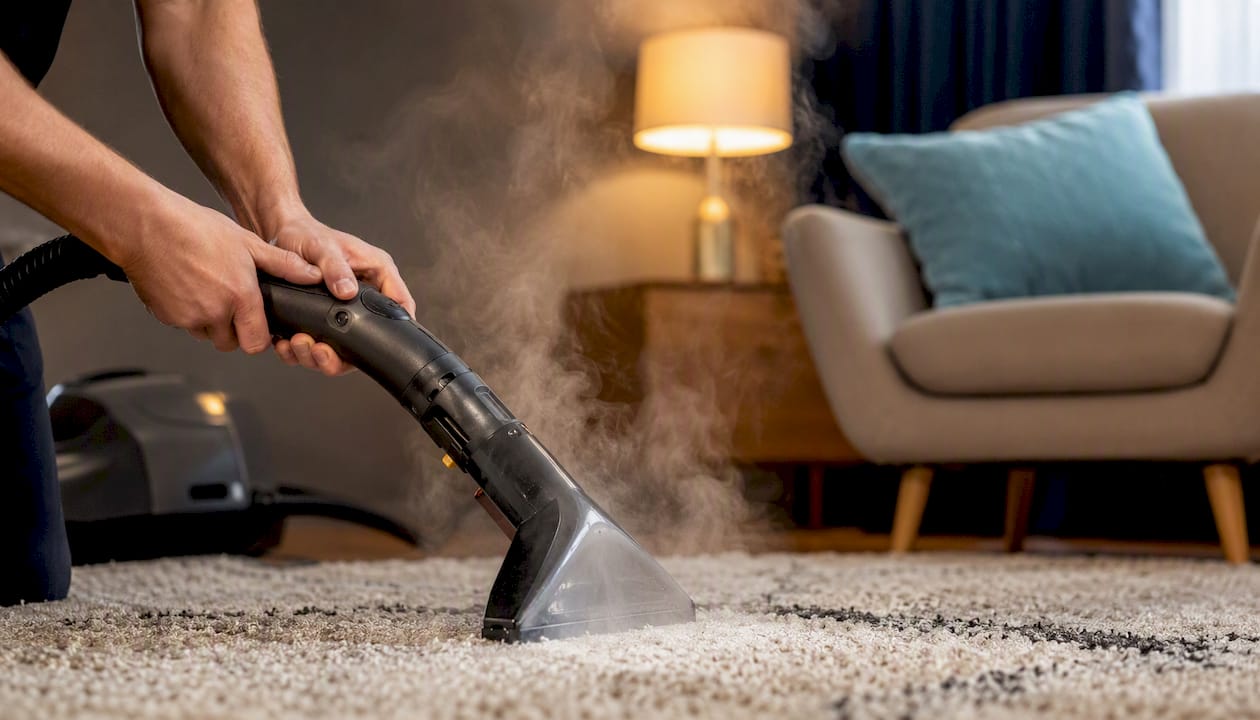
The allergen side is more nuanced. Sustained heat also breaks down the structure of Der p 1 protein itself, which is part of why treated carpet showed such a steep drop in allergen concentration. But denatured allergen debris doesn't just vanish. It's still sitting in the carpet pile or upholstery fibre unless something physically removes it. This is where suction earns its place in the process: heat handles the kill, extraction handles the cleanup.
Three variables decide whether a steam session actually works:
- Temperature — high enough to reach mite-lethal levels at the surface being treated, not just at the nozzle
- Dwell time — slow, deliberate passes rather than a quick sweep over the surface
- Extraction — suction strong enough to lift dead mites and allergen debris out of the fibre, not just push moisture around
Pro Tip: Picture it as a two-step job: heat kills, suction clears. Skip the second step and you've technically won the battle but left the evidence behind, which is exactly what still triggers a reaction.
Which steam cleaners and settings actually work
Not all "steam cleaning" is equal, and the differences matter more than most product descriptions let on. Dry steam systems run high heat with very little moisture output, useful for hard surfaces but sometimes underpowered for deep carpet pile. Steam vapour systems generate more thorough heat penetration. Hot water extraction, often called steam cleaning colloquially, combines heated water or steam with strong suction, which is the combination the research consistently favours for carpets and upholstery.
Handheld consumer steamers sit at the weaker end. They can kill surface mites but rarely have the suction power to pull allergen debris out of deep pile carpet or thick upholstery padding.
Professional extraction equipment combines high heat with genuinely strong suction, which is why it consistently outperforms consumer handheld units at both killing mites and physically clearing the allergen debris left behind. A domestic unit can manage the first job. Few manage both.
Before you steam anything, check the manufacturer's care label. Delicate upholstery, some wool carpets, and furniture with glued joints can warp, shrink, or delaminate under sustained heat. When in doubt, test an inconspicuous patch first.
- Dry steam: high heat, minimal moisture, best for hard surfaces
- Steam vapour: better penetration, suited to carpets with adequate dwell time
- Hot water extraction: heat plus suction, generally the strongest option for allergen removal
- Handheld steamers: convenient but usually underpowered without extraction
Pro Tip: Over-wetting is the silent failure mode here. Too much moisture without enough suction or drying time invites mould, which trades one allergy problem for a worse one.
Step-by-step: steam cleaning carpets, upholstery and mattresses
Getting good results isn't complicated, but skipping steps is where most DIY attempts fall short of the lab numbers.
Start with preparation. Vacuum thoroughly using a HEPA-filtered vacuum to lift surface dust and loose debris before any heat goes near the fabric. Clear the area of small objects and furniture where practical. Test a hidden patch of carpet, upholstery, or mattress fabric for colourfastness and heat tolerance, waiting a few minutes to check for any reaction.
- Fill and heat the machine to the manufacturer's recommended temperature, ensuring it reaches full operating heat before starting, not partway through.
- Work in overlapping passes, moving slowly enough that each section gets genuine dwell time under the heat, rather than a fast single sweep.
- Follow a consistent pattern, working in strips from one side of the room or piece of furniture to the other so nothing gets missed or double-treated unevenly.
- Run extraction passes immediately after each heated pass if your machine separates the two functions, pulling out moisture and loosened debris.
- Allow full drying time before walking on carpet or using furniture again, typically several hours depending on humidity and airflow.
- Vacuum again once dry to remove any remaining loosened allergen debris that surfaced during the drying process.
A few safety points matter here. Steam machines carry real scald risk, so keep hands clear of the nozzle and mind children and pets during the process. Unplug or move electrical items and outlets away from moisture. Ventilate the room well, opening windows where possible to speed drying and reduce residual humidity. Never rush the drying stage purely to save time, since damp carpet sitting for days is exactly the environment mould needs.
For frequency, treating high-contact areas like mattresses and main living room carpet every one to three months gives reasonable ongoing control for most allergy sufferers. Heavily soiled carpet, homes with pets, or households with severe dust mite allergies often benefit from professional deep cleaning on top of that routine, since commercial extraction units generally hit higher sustained temperatures and stronger suction than most consumer machines can manage.
What steam cleaning won't fix on its own
Steam cleaning is not a permanent solution. Mites repopulate from skin cells, humidity, and untreated areas of the home, so a single session won't keep allergen levels down indefinitely. If your extraction is weak or your passes are too fast, you can kill mites and still leave enough allergen debris behind to keep triggering symptoms.
Pairing steam with a few other habits closes most of that gap:
- Vacuum weekly with a HEPA-filtered machine to keep surface dust and skin cell buildup down between steam sessions
- Wash bedding regularly in water of at least 54.4°C (130°F), which reliably kills mites in fabric
- Fit mattress and pillow encasements to block mite colonisation at the source
- Keep indoor humidity in the 30 to 50% range, since mites thrive in damp conditions
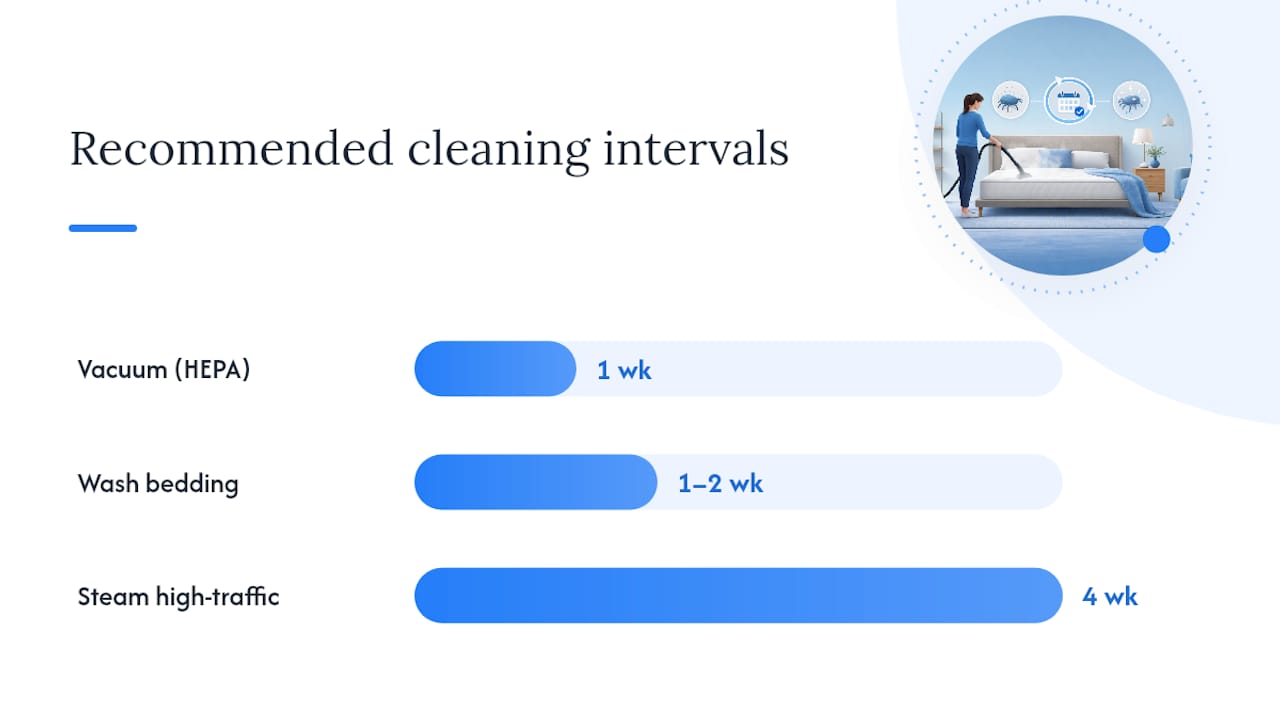
Pro Tip: A realistic rhythm looks like this: vacuum weekly, steam high-traffic zones monthly, and wash bedding every one to two weeks. None of these steps alone does the whole job, but stacked together they keep allergen levels consistently low.
Why professionals still back steam cleaning
Steam cleaning earns its place in an allergy-control routine because the evidence behind it is genuinely solid, not marketing spin. What changes the outcome is equipment and technique: professional-grade machines sustain higher heat and stronger suction for longer than most household units manage. That's often the difference between a clean that looks fine and one that actually shifts allergen levels, particularly in mattresses, thick carpet pile, or upholstery that hasn't been treated in years.
When it's time to call in a professional steam clean
DIY steam cleaning handles a lot, but there are situations where it's worth handing the job to people with commercial-grade extraction equipment. Persistent allergy symptoms despite regular home cleaning, heavily soiled or old carpet, large areas like whole-home carpet or multiple upholstered pieces, and end-of-lease deep cleans where fabric damage is a real financial risk all point toward professional service rather than another round with a rental machine.

Com's steam and hot water extraction services use eco-friendly products and police-checked technicians, and every job is customised rather than run off a fixed template. That matters for allergy-focused cleaning specifically, since a household with severe dust mite sensitivity needs a different approach to passes, drying time, and frequency than a standard tenancy clean. You also get flexible scheduling and no lock-in contracts, so a one-off deep clean or an ongoing allergy-control routine both fit without a long commitment.
If you're weighing up a DIY approach against booking a professional, our guide on how cleaning quotes work for Australian homeowners explains what to expect on pricing and scope. For households wanting a recurring allergy-control schedule rather than a single visit, our custom cleaning packages can be built around exactly the frequency your home needs. Get in touch for a quote and we'll tell you straight whether your carpet and upholstery need a full extraction service or whether a lighter routine will do.
Sources
- The use of domestic steam cleaning for the control of house dust mites
- Inactivation of dust mites, dust mite allergen, and mold from carpet
- Easy ways you can improve indoor air quality
This article is general information, not a substitute for advice from a qualified doctor. Consult a qualified healthcare professional about your own circumstances before acting on anything here.
FAQ
Will steam cleaning kill dust mites?
Yes. Peer-reviewed testing found no live mites survived in carpet treated with domestic steam equipment, provided the heat reaches sufficient temperature and dwell time.
Will steam cleaning get rid of mite allergens too?
Largely, yes, but only with extraction. Studies recorded an 86.7% reduction in Der p 1 allergen after steam treatment, mainly because suction removed the denatured allergen debris rather than leaving it in the fibre.
How do I deep clean my house for dust mites?
Combine weekly HEPA vacuuming, steam cleaning of carpets and upholstery every one to three months, bedding washed at 54.4°C or above, and mattress and pillow encasements. A professional steam and extraction service like Com's is worth booking for heavily soiled carpet or persistent allergy symptoms.
How can I tell if my bed has dust mites?
You generally won't see mites themselves, but signs include waking with sneezing, itchy eyes, or congestion that eases once you leave the bedroom, plus visible dust buildup in mattress seams and pillow fabric. A hot wash of bedding and a steam treatment of the mattress are reasonable first steps if you suspect an infestation.