
Construction cleaning is defined as the systematic removal of debris, dust, and residues from a building site across three sequential phases: rough clean, light clean, and final clean. Each phase serves a distinct purpose and requires different equipment, labour, and timing to meet compliance and handover standards. Post-construction clean-up costs range from $0.15 to $0.80 per square foot depending on finish level, which means your cleaning budget must account for the full scope from the start. Understanding the types of construction cleaning tasks across each phase is the fastest way to protect your schedule, your finishes, and your certification timeline.
1. What tasks are included in the rough cleaning phase?
The rough clean is the first and most physically demanding phase of construction site cleaning. It focuses on bulk debris removal before finish work begins, clearing the site so follow-on trades can work safely and without obstruction.
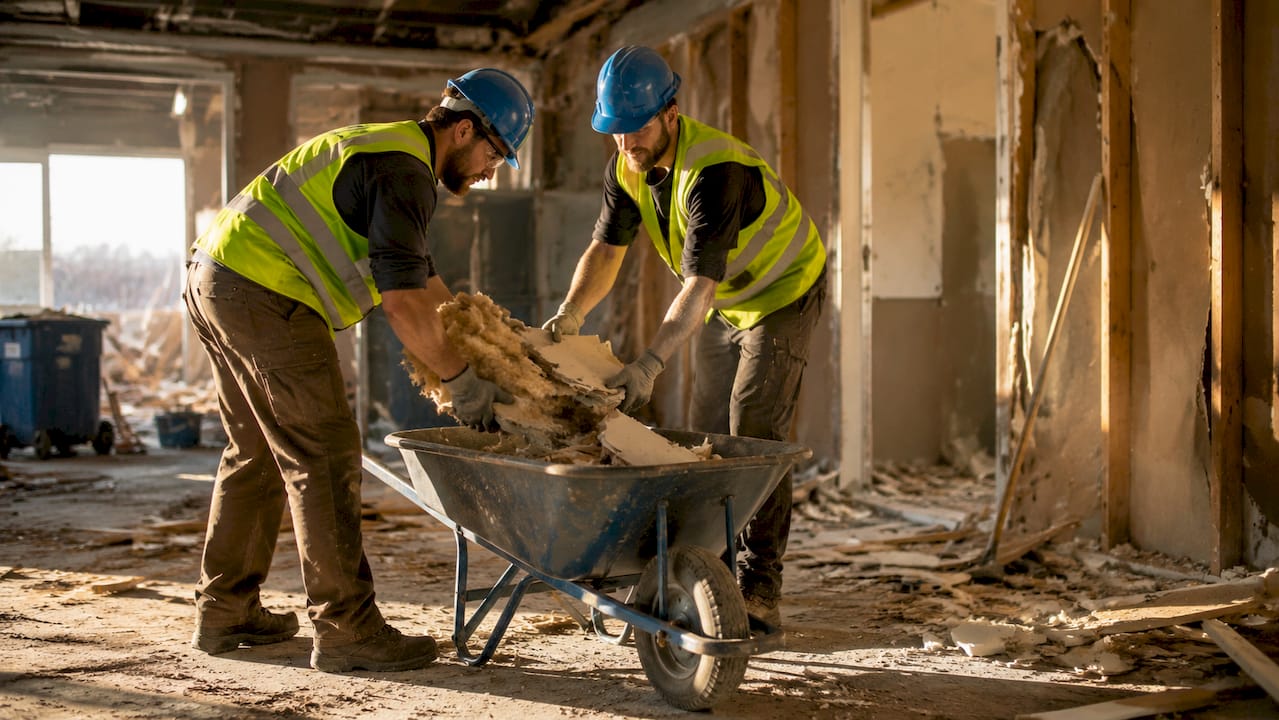
Rough clean tasks include removing lumber scraps, drywall cut-offs, packaging materials, and general construction trash from all work areas. Pathways and staging areas are swept and cleared. Standing water is removed to prevent subfloor damage and slip hazards.
Typical rough clean tasks include:
- Removing lumber offcuts, drywall pieces, and metal shavings
- Sweeping and vacuuming heavy dust from floors and horizontal surfaces
- Clearing pathways between work zones and to emergency exits
- Removing standing water from slabs and low-lying areas
- Wiping exposed ductwork before ceiling tiles are installed
- Disposing of packaging from fixtures, appliances, and materials
This phase is typically performed by general contractor labourers or debris subcontractors. Timing matters more than most project managers expect. Starting the rough clean too late pushes back every subsequent trade and compresses the schedule at the worst possible moment.
Pro Tip: Schedule the rough clean immediately after framing and mechanical rough-ins are complete, not after all trades finish. Getting debris out early prevents it from being walked deeper into the building and reduces the risk of damage to new surfaces.
2. Which tasks make up the light cleaning phase?
The light cleaning phase is the most labour-intensive stage of post-construction clean-up. It bridges the gap between bulk debris removal and the final inspection-ready condition, targeting dust and residue on every finished surface.
This phase begins after major trades complete their work but before final inspections. Painters, cabinet installers, and flooring crews have finished, and the building looks nearly complete. The light clean brings it to near showroom condition.
Key tasks in this phase include:
- Wiping cabinet interiors and exteriors, including door faces and hardware
- Cleaning light fixtures, switch plates, and power point covers
- Removing fingerprints and smudges from walls, doors, and trim
- Dusting vents, baseboards, window sills, and horizontal ledges
- Vacuuming and mopping floors, including grout haze removal from tiles
- Cleaning interior glass surfaces and window frames
- Wiping down appliances and sanitising benchtops
Floor preparation during this phase is critical. Grout haze left on tiles hardens quickly and becomes far more difficult to remove later. Mopping and vacuuming at this stage also protects floor finishes from abrasive grit that would otherwise scratch surfaces during the final clean.
Pro Tip: Coordinate directly with painters and flooring installers before starting the light clean. If touch-up painting or floor sealing is still scheduled, delay the light clean in those areas to avoid re-cleaning the same surfaces twice.
3. What are the final cleaning tasks for site handover?
The final clean is the highest-detail phase and the one that determines whether a building passes its certificate of occupancy inspection. Final cleaning includes touch-ups after punch list corrections, detailed window frame cleaning, final floor buffing, and full restroom sanitisation.
This phase requires specialised equipment and chemicals. Standard mops and cloths are not sufficient for grout haze removal, floor polishing, or streak-free glass work. Exterior glass cleaning often requires specialist contractors with elevated access equipment.
Final clean tasks cover:
- Full interior and exterior glass cleaning, including window frames and tracks
- Floor finishing: waxing, buffing, polishing, or carpet extraction depending on floor type
- Fine dust removal from all surfaces including HVAC registers and light fittings
- Restroom sanitisation and fixture polishing to health code standards
- Removing adhesive residue, paint overspray, and construction stickers from surfaces
- Touch-up cleaning after punch list trades complete their corrections
Exterior glass cleaning may require specialist contractors and elevated access equipment, particularly on multi-storey builds. Budget for this separately from your general cleaning contract.
Pro Tip: Delaying the final clean until the punch list is nearly complete controls quality and reduces rework. Starting too early means cleaning the same surfaces multiple times as trades return for corrections, which adds cost and risks damaging new finishes.
4. How do specialised cleaning tasks support health and safety compliance?
Construction cleaning is not merely aesthetic. Compliance with OSHA and equivalent state safety standards is mandatory on job sites to maintain health and safety codes. In Australia, Safe Work Australia guidelines parallel these requirements, placing the obligation for site cleanliness on the principal contractor.
Silica dust is the most significant hazard on most construction sites. Standard vacuum cleaners redistribute fine particles rather than capturing them. HEPA-filtered vacuums are the correct tool for capturing silica dust and other hazardous residues, and their use directly supports indoor air quality certification.
Specialised compliance-focused tasks include:
- Using HEPA-filtered vacuums on all dusty surfaces before occupancy
- Wiping and cleaning HVAC ductwork before ceiling tile installation to prevent trapped dust from circulating post-occupancy
- Sanitising high-touch surfaces in restrooms and common areas to meet health codes
- Removing chemical residues from adhesives, sealants, and coatings
- Coordinating with the site safety officer before and during each cleaning phase
Neglecting HVAC duct cleaning during construction is one of the most common and costly oversights on commercial builds. Dust trapped in ducts before ceiling tiles go in circulates through the building for months after occupancy, creating health complaints and potential liability.
Cleaning crews must be briefed on site-specific hazards before starting work. This is not optional on regulated job sites. A cleaning team that is not inducted into the site safety programme creates compliance exposure for the principal contractor.
5. How to coordinate construction cleaning phases with your project schedule
A phased cleaning plan aligned with contractor scheduling prevents delays and protects new finishes. The most common scheduling mistake is treating cleaning as a single event at the end of the project rather than a series of coordinated activities tied to construction milestones.
The correct sequence works as follows:
- Rough clean: Schedule immediately after framing, mechanical, and electrical rough-ins are complete. Do not wait for all trades to finish.
- Light clean: Begin after the last finishing trade completes their work in each zone. Sequence zone by zone if the building is large.
- Punch list corrections: Allow trades to return and complete corrections before the final clean begins.
- Final clean: Start only when the punch list is at least 90% complete. Coordinate with the certifier's inspection date.
- Post-inspection touch-ups: Budget for a short touch-up clean after the certifier's walkthrough if minor corrections are required.
Protecting new finishes during cleaning is as important as the cleaning itself. Cleaning crews must use non-abrasive cloths on painted surfaces, avoid dragging equipment across polished floors, and use pH-neutral chemicals on natural stone. A single careless cleaning visit can create defects that cost more to repair than the cleaning contract itself.
Pro Tip: Customise the cleaning scope per project size and finish level. A high-end residential build with marble floors and custom joinery requires a different cleaning specification than a commercial warehouse fitout. Applying the same checklist to both wastes money on one and under-delivers on the other.
Key takeaways
Effective construction cleaning requires three clearly defined phases, each timed to construction milestones, using the right equipment and coordinated with trades to protect finishes and meet compliance requirements.
| Point | Details |
|---|---|
| Three phases structure all cleaning | Rough, light, and final clean each serve a distinct purpose and must be scheduled separately. |
| Timing the final clean correctly saves money | Starting the final clean before the punch list is nearly complete leads to costly re-cleaning cycles. |
| HEPA vacuums are non-negotiable | Standard vacuums redistribute silica dust; HEPA-filtered units are required for health and compliance. |
| HVAC cleaning must happen before ceiling tiles | Ductwork cleaned after ceiling installation traps dust that circulates through the building post-occupancy. |
| Customise scope per project type | High-finish residential builds need a different cleaning specification than commercial fitouts. |
What I have learned from managing construction cleaning on real projects
The biggest mistake I see project managers make is treating construction cleaning as an afterthought. It gets added to the schedule as a single line item at the end, with no phase breakdown, no coordination with trades, and no allowance for re-cleans after punch list corrections. The result is a rushed final clean that misses defects, delays certification, and costs more than a properly planned approach would have.
The second most common mistake is using the wrong equipment. I have seen sites where cleaning crews brought domestic vacuum cleaners to a post-construction job. Those machines do not capture fine silica dust. They spread it. The site looks clean, but the air quality is worse than before they started.
What actually works is simple: phase the cleaning, time each phase to a construction milestone, brief the cleaning crew on site hazards, and do not start the final clean until the trades are genuinely finished. A post-construction cleaning checklist is a useful starting point, but it needs to be adapted to your specific project, finish level, and certification requirements.
The projects that go smoothly are the ones where the cleaning coordinator has a direct line to the site foreman and the certifier. Cleaning is not separate from construction. It is part of the delivery sequence, and it deserves the same scheduling discipline as any other trade.
— Deng
Professional construction cleaning services in Canberra
Construction project managers in Canberra need a cleaning partner who understands phased delivery, compliance requirements, and the difference between a rough clean and a certificate-of-occupancy standard finish.
Com offers custom cleaning packages built around your project timeline, whether you need a single rough clean or a full three-phase programme for a commercial fitout. The team's professional window cleaning service covers both interior and exterior glass to the standard required for final handover. Com also handles specialist floor cleaning for polished concrete, tiles, and delicate surfaces common in new builds. Contact Com directly to discuss your project scope and get a cleaning specification matched to your schedule and finish level.
FAQ
What are the three phases of construction cleaning?
Construction cleaning is organised into three phases: rough clean, light clean, and final clean. Each phase targets a different stage of the build and requires progressively more detailed work and specialised equipment.
How much does post-construction cleaning cost?
Construction cleaning costs range from $0.15 to $0.80 per square foot depending on finish level and scope. High-end residential and commercial projects with polished floors and extensive glazing sit at the upper end of that range.
Why are HEPA vacuums required on construction sites?
HEPA-filtered vacuums capture fine silica dust and hazardous particulates that standard vacuums simply redistribute into the air. Their use is a compliance requirement on regulated sites and directly supports indoor air quality certification.
When should the final clean start on a construction project?
The final clean should begin only when the punch list is nearly complete. Starting too early causes repeated cleaning cycles as trades return for corrections, adding cost and increasing the risk of damage to new finishes.
What is included in a construction cleaning checklist?
A construction cleaning checklist covers debris removal, floor preparation, glass and fixture cleaning, HVAC duct wiping, restroom sanitisation, and touch-ups after punch list corrections. The specific scope varies by project type, finish level, and certification requirements.