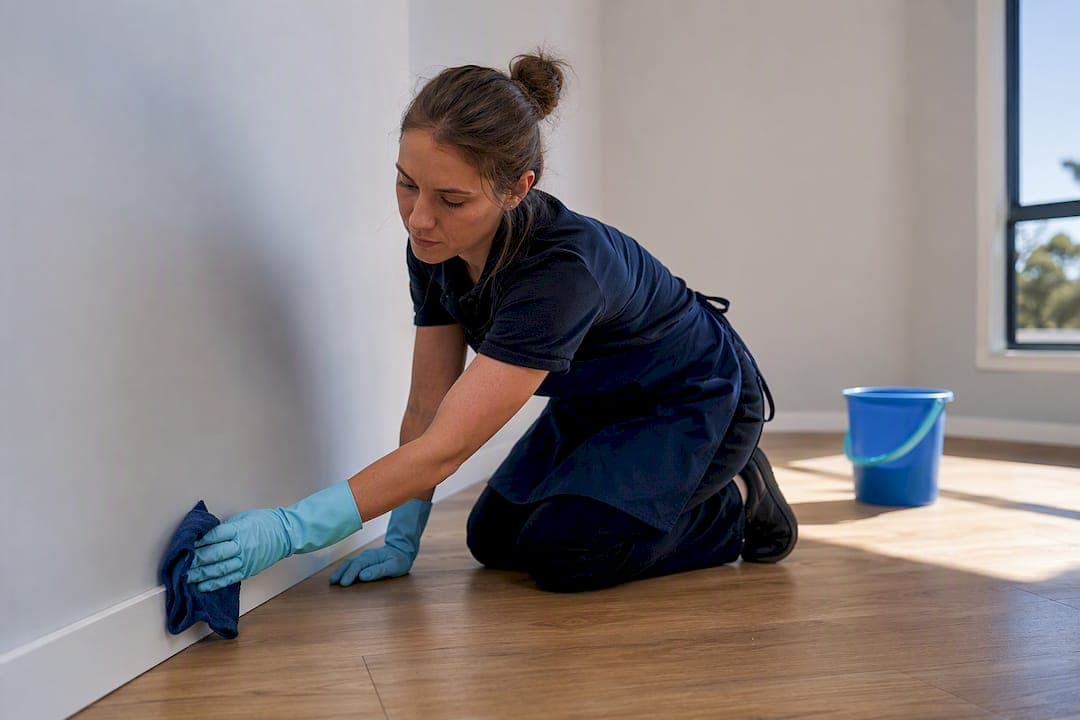
Pass your inspection by cleaning to the standard set in your entry condition report, not to some imagined "brand new" ideal. Prioritise the oven, rangehood filters, bathroom grout, carpets and windows, since these are what agents check first. If you're short on time, book a professional bond clean 7 to 14 days before handover. Photograph every room straight after the final clean.
TL;DR:
- Properly cleaning the oven, rangehood filters, bathroom grout, and windows is crucial since these are the first areas agents scrutinize during the inspection.
- Book professional end-of-lease cleaning 7 to 14 days before handover to allow time for re-cleaning if necessary and to handle neglected areas like ovens and carpets.
- Photograph every room immediately after cleaning to document the property's condition and protect against potential damage disputes during the final inspection.
- Focus on high-risk spots such as rangehood filters, oven glass, window tracks, skirting boards, and mouldy silicone to prevent common inspection failure points.
- The overall cleaning effort should match the condition recorded in your entry report, with special attention to fair wear and tear, not perfection or inadvertent damage.
Table of Contents
- What counts as end of lease inspection cleaning?
- Room-by-room end of lease cleaning checklist
- When to start: a realistic end-of-lease cleaning timeline
- How do I document my property for the final inspection?
- The failure points agents flag most, and how to fix them fast
- What Canberra landlords actually notice at handover
- Book a bond clean that protects your deposit
- Where to check the rules and get more detail
- Sources
- FAQ
What counts as end of lease inspection cleaning?
An end-of-lease clean, often called a bond clean, is a far deeper job than the weekly tidy you'd do for a routine inspection. A routine inspection clean might take an hour or two: wipe surfaces, vacuum, empty bins. A genuine bond clean can take a full day or more, because it means restoring the property to the condition recorded when you moved in, right down to grout lines and skirting boards.
That entry condition report is the legal benchmark your landlord or agent uses to judge your exit. It's not a demand for perfection. "Fair wear and tear" (the gradual, unavoidable ageing of carpet, paint, and fittings through normal use) is not something you can be charged for. A worn patch of carpet from foot traffic is fair wear. A wine stain is not.
Requirements shift slightly by state and territory, and disputes get resolved differently depending on where you live:
- Queensland: Residential Tenancies Authority
- New South Wales: NSW Fair Trading and the bond return process
- ACT: Access Canberra and the ACT Civil and Administrative Tribunal (ACAT)
If you rent in Canberra, that ACT distinction matters when something goes wrong at the end of your lease, which we'll cover in the inspection-day section.
Room-by-room end of lease cleaning checklist
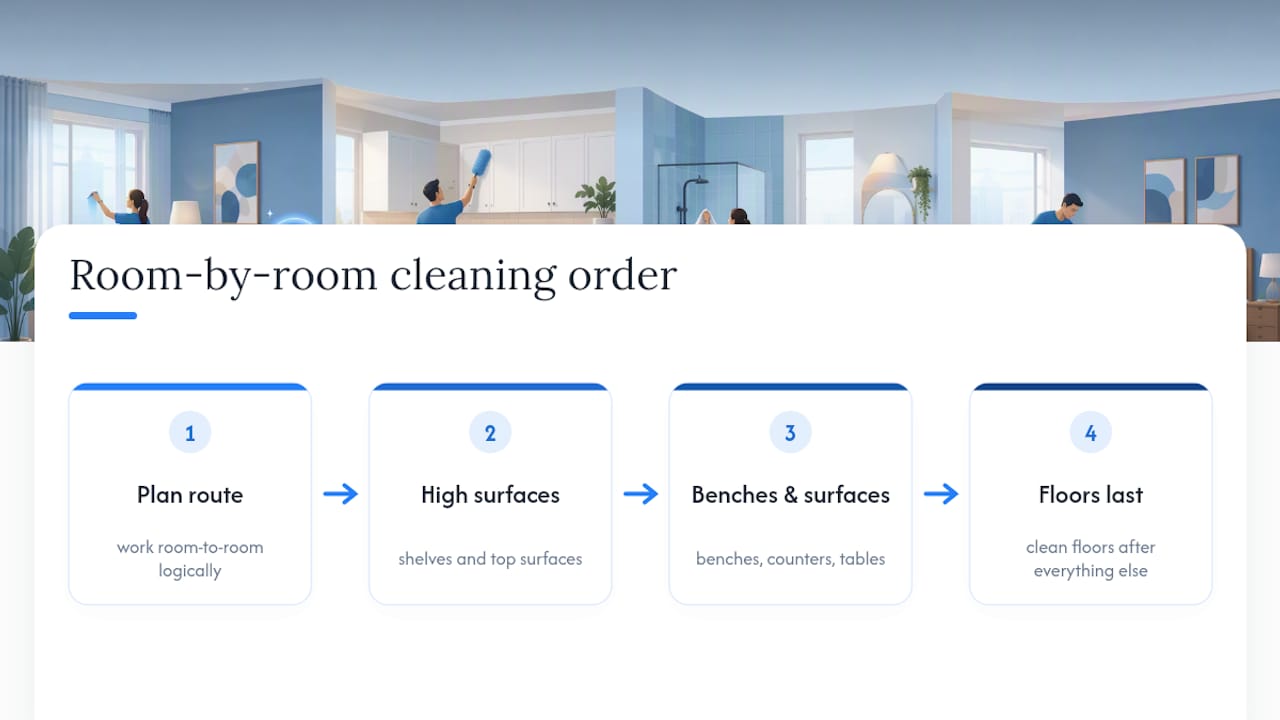
Work through the property in a logical order rather than jumping between rooms. Cleaning floors last, after every other surface, stops you from re-soiling a clean floor with dust and debris falling from benches and shelves above.
1. Kitchen
The kitchen is where bonds are lost most often, largely because ovens and rangehood filters accumulate grease that's easy to ignore week to week and brutal to shift on the day.
- Oven interior: racks, glass door (inside and out), seals
- Rangehood filter: soak and scrub, or replace if disposable
- Splashback and benchtops, including under any appliances sitting on them
- Inside every cupboard and drawer, plus underneath
- Behind and underneath the fridge and stove
- Sink, plughole and drain, taps and any limescale
2. Bathroom and toilet
Mould in silicone seals is one of the most commonly flagged issues at inspection, and it's also one of the slowest to fix properly.
- Shower screen, tracks and shower head
- Grout lines and silicone seals (a toothbrush and a proper mould treatment beats any all-purpose spray)
- Exhaust fan cover, dusted and wiped
- Taps, fixtures and mirror, polished to remove water spots
- Toilet interior, seat hinges and the base where dust and hair collect
3. Bedrooms and living areas
- Inside wardrobes, shelving and drawer tracks
- Skirting boards along every wall, wiped by hand, not just vacuumed
- Light fittings, switches and power points
- Windows, frames and window tracks (a source of more failed inspections than most tenants expect)
- Blinds or curtains, dusted or laundered per the fabric
4. Floors and carpets
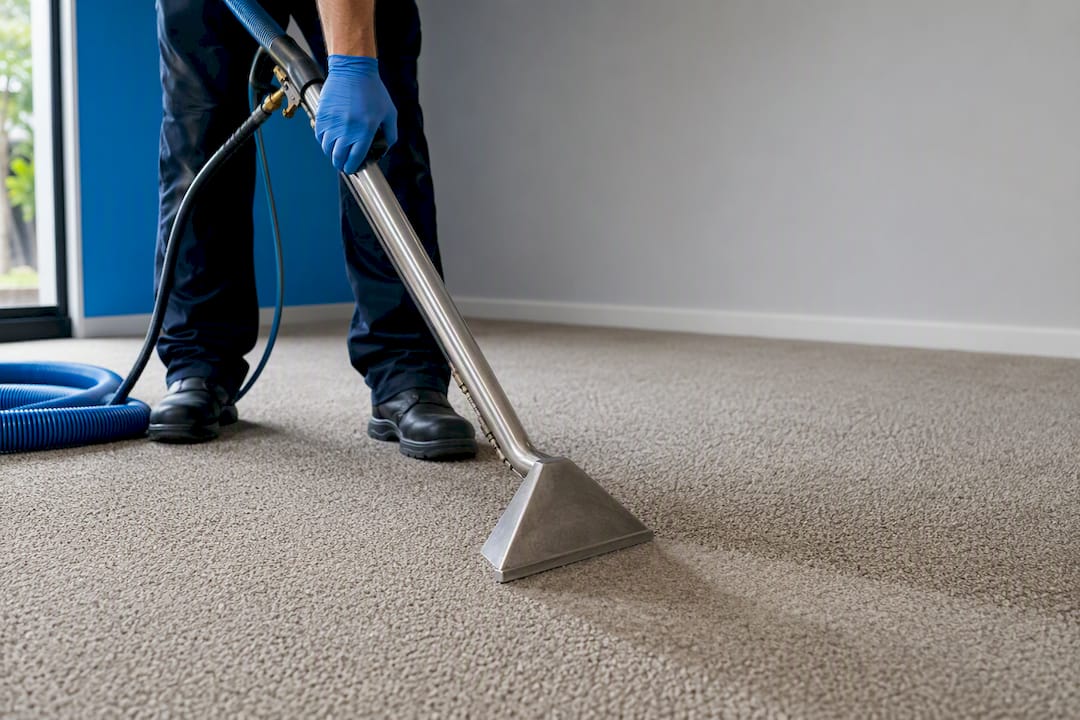
Vacuum thoroughly, then spot-treat any marks. If the entry condition report recorded the carpets as professionally cleaned, you generally need to return them in the same state, which usually means booking a steam clean rather than relying on a domestic vacuum.
5. Appliances left in the property
Dishwashers, washing machines and fridges each need attention beyond a wipe-down.
- Defrost the freezer with enough lead time, then clean shelves and door seals
- Empty and clean dishwasher filters and door seals
- Run an empty hot cycle in the washing machine with a machine cleaner, then wipe the rubber seal and detergent drawer
Pro Tip: Photograph each area of the property before you start cleaning it, and again once it's done. If the entry condition report says a wall was already scuffed, that "before" photo protects you from being blamed for damage you didn't cause.
When to start: a realistic end-of-lease cleaning timeline
Cleaning a full property properly takes longer than most tenants budget for, and rushing the oven or the grout on the final morning is where corners get cut.
- Two weeks out: Book a professional clean early if you want one, as good cleaners can get fully booked around common lease-end dates.
- One week out: Start the slow jobs. Oven deep cleans often need a degreaser to sit for hours; grout treatments can need repeat applications over several days.
- 48 hours out: Tackle windows, tracks, skirting boards and cupboards.
- Day of/day before: Final vacuum, mop, and a last walk-through with your entry condition report in hand.
Rough time estimates worth planning around: an oven deep clean can take 1 to 2 hours, grout and silicone treatment 2 to 3 hours across a bathroom, window tracks 30 minutes per window, and a full carpet steam clean anywhere from 1 to 3 hours depending on property size.
Booking professionals 7 to 14 days ahead of your inspection date gives you a buffer if anything needs a second pass. Costs vary with property size, how neglected the oven has become, and whether carpet steam cleaning is required, but a reputable local cleaner with a re-clean guarantee tends to produce a better bond outcome than a rushed DIY effort, particularly for renters juggling a move on top of full-time work. Check how a quote is built before booking so there are no surprises.
How do I document my property for the final inspection?
Photographic evidence is your strongest tool if a dispute ever lands in front of a tribunal. Time-stamped photos matched line-by-line against your entry condition report are the most persuasive evidence you can bring to any hearing.
- Photograph every room, cupboard interior, and appliance immediately after the final clean, before you hand back keys
- Keep the original entry condition report and any updates made during the tenancy
- Keep receipts for professional cleans or repairs; agents in practice often allow a short 24 to 72 hour re-clean window, and a receipt strengthens your position if they don't
- Walk through the property line-by-line with the agent where possible, and ask for any concerns in writing rather than verbally
Don't sign anything acknowledging damage or dirt you disagree with on the spot. If the dispute isn't resolved after that walkthrough, ACT tenants can lodge a claim with Access Canberra or ACAT, while other states run the process through their own tenancy authority.
The failure points agents flag most, and how to fix them fast
Certain spots fail inspection again and again, usually because they're tedious rather than difficult.
- Rangehood filters: soak in hot water with a strong degreaser for at least 30 minutes before scrubbing
- Oven door glass (inside): use an oven-specific cleaner and let it dwell far longer than the label suggests, sometimes 20 to 30 minutes, before wiping
- Window tracks: an old toothbrush and a splash of white vinegar shift built-up grime faster than most sprays
- Skirting boards: hand-wipe with a damp microfibre cloth; a vacuum alone misses the grime line at floor level
- Mouldy silicone: a dedicated mould gel left overnight outperforms a quick spray-and-wipe
- Carpet stains: spot treat immediately; stubborn marks may need professional steam cleaning rather than a DIY carpet cleaner hire
Pro Tip: If something is genuinely broken rather than dirty, a small professional repair with an invoice in hand is often cheaper than a bond deduction, and it removes any argument at inspection.
What Canberra landlords actually notice at handover
After years of end-of-lease work across Canberra, the pattern is consistent: agents don't linger on the whole property, they zero in on the same handful of spots every time; for insights into property expectations, visit the Brisbane Property Blog | Buyers Agent Insights & Market News | Buyers Agents Brisbane. Oven glass, rangehood filters and shower grout get more scrutiny than any other surface in the house, simply because they're the areas tenants skip when they're exhausted from packing boxes all week.
ACT Cleaning by Demand builds packages around exactly that pattern, tailoring the clean to whichever areas a property's condition report flags as highest risk rather than running a generic template through every job. The business also runs on eco-friendly products throughout, which matters for tenants handing back a property to a landlord who may re-let it within days.
— Deng
Book a bond clean that protects your deposit
There are DIY routes and there are agency-style cleaners, but neither always accounts for what your specific entry condition report actually flagged at move-in. ACT Cleaning by Demand builds its end-of-lease service around that report: police-checked staff, eco-friendly products, and a re-clean guarantee if an agent flags anything after the first pass.

Book 7 to 14 days before your inspection date to leave room for a follow-up if needed, and keep the receipt as evidence for your file. Renters across Canberra's inner south and Sutton can check availability directly, or browse the full end-of-lease cleaning service for a fixed scope before requesting a quote.
Where to check the rules and get more detail
For the legal side, start with your state tenancy authority's cleaning guidance and, if you're in the ACT, the Access Canberra final inspection process. For a broader room-by-room reference, realestate.com.au's renter's guide is a solid companion to the checklist above, and Com's own end-of-lease checklist goes deeper on specific product recommendations.
Sources
- Cleaning - Ending a tenancy (Residential Tenancies Authority)
- Realestate
- Final inspection checklist for ACT tenants
FAQ
How much does end-of-lease cleaning cost in Australia?
Cost depends on property size, how neglected the oven and carpets are, and whether steam cleaning is required, so it's worth getting a quote based on your specific property rather than relying on a flat figure.
Do I have to get a professional clean at the end of my tenancy?
No lease automatically requires a professional clean, but you must return the property to the standard in your entry condition report, and a professional clean with a re-clean guarantee makes that easier to prove.
What should an end-of-lease clean include?
A full clean covers the oven, rangehood filters, bathroom grout and silicone, windows and tracks, skirting boards, carpets, and the interior of appliances left in the property, matched against your entry condition report.
Can I do end-of-lease cleaning myself?
Yes, if you have the time and follow a room-by-room checklist against your condition report, but tight timelines and neglected ovens or carpets are where DIY cleans most often fall short of inspection standard.