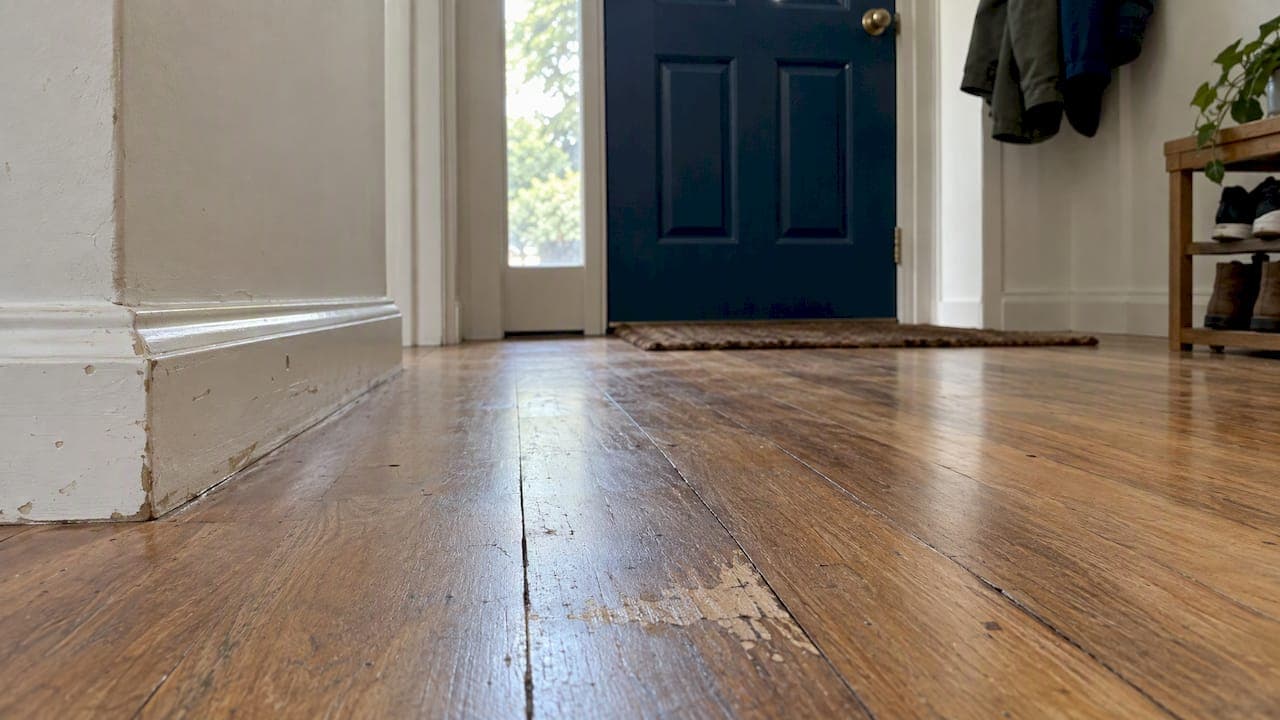
Your legal duty when vacating an ACT rental is to return it in substantially the same state of cleanliness and condition as when you moved in, fair wear and tear excepted. The ingoing condition report sets that benchmark, not a generic standard of "spotless." Professional carpet cleaning is only mandatory if your tenancy agreement says so or the carpets were professionally cleaned before you moved in.
TL;DR:
- Complete and return the ingoing condition report within two weeks of moving in, recording existing marks and damage before they become disputed at move out.
- Book carpet cleaning if your lease requires it, the ingoing report records prior professional cleaning, or pets or smoking caused unusual stains or odors.
- At inspection, note disagreements on the outgoing report before signing, photograph disputed conditions with a visible date stamp, and attach notes to your copy.
- Landlords should give you a reasonable chance to fix cleaning issues before hiring contractors, and ACAT has reduced or rejected unreasonable cleaning claims.
- Commercial tenants should read cleaning and restoration clauses closely, because their lease governs obligations and residential fair wear protections generally do not apply.
Table of Contents
- Room-by-room end-of-lease cleaning checklist for ACT renters
- Carpet cleaning in the ACT: when professional cleaning is required
- Condition reports and the final inspection: your legal benchmarks
- Bond deductions, landlord mitigation duty and dispute resolution
- Practical timeline and steps to follow in the two weeks before vacating
- Local cleaning expertise for Canberra renters
- Residential versus commercial lease cleaning obligations
- Garden and outdoor area cleaning responsibilities
- Eco-friendly cleaning products that meet ACT expectations
- An editorial take: documentation beats scrubbing harder
- How we take the stress out of your bond clean
- FAQ
- Sources
Room-by-room end-of-lease cleaning checklist for ACT renters
Agents and landlords compare what they see at final inspection against your ingoing condition report, so the goal is matching that starting point rather than chasing an unrealistic standard of new.
In the kitchen, focus on:
- Oven, rangehood and grill, inside and out, including racks and filters
- Cupboards and drawers, wiped inside and out, with crumbs and liners removed
- Benchtops and splashbacks, degreased and free of tidemarks
- Sink and taps, descaled and polished
In the bathroom and laundry, check:
- Tiles and grout, scrubbed to remove mould and soap residue
- Shower screens, toilet, basin and exhaust fan, cleaned and dust-free
- Washing machine seal and lint filter, wiped out
For living areas and bedrooms, work through this sequence:
- Dust and wipe skirting boards, light switches and door frames
- Remove scuff marks and Blu Tack residue from walls where it wipes off easily
- Clean windows, tracks and flyscreens inside
- Vacuum carpets thoroughly, including edges and under furniture
- Mop hard floors last, once dust has settled
Outdoor and easily forgotten spots often cost tenants their bond unnecessarily: behind and under the fridge, light fittings and ceiling fans, air-conditioning filters, and the back of the laundry door.
Pro Tip: Take dated, well-lit photos of every room once cleaning is finished, before you remove furniture back in, as this becomes your evidence if the condition is disputed later.
Keep receipts for any paid cleaning or carpet treatment. Together with your photos, they form the documentation trail that protects your bond if the final inspection raises a disagreement.
Carpet cleaning in the ACT: when professional cleaning is required
The legal benchmark for carpets is the same as for the rest of the property: substantially the same condition as the ingoing report shows, fair wear and tear excepted. Professional steam cleaning is not an automatic requirement under the Residential Tenancies Act 1997.
Professional cleaning becomes a reasonable expectation when:
- Your tenancy agreement specifically requires it
- The ingoing condition report notes the carpets were professionally cleaned before you moved in
- You kept pets or smoked indoors during the tenancy, causing odour or staining beyond normal wear
ACAT decisions have found landlords cannot recover unreasonable cleaning costs and must give tenants a reasonable chance to fix issues before engaging expensive contractors, according to ACAT's published decisions. Tribunals have also reduced claims where landlords hired commercial cleaners prematurely or charged inflated rates for family labour.
If you do arrange carpet cleaning, keep the invoice, the company name and the date. A quote or receipt carries more weight at a dispute hearing than a verbal assurance that the job was done.
Condition reports and the final inspection: your legal benchmarks
Your ingoing condition report is the single most important document you will handle during the tenancy. You have two weeks after moving in to complete it and return a copy to your lessor, and that window is your only real chance to record pre-existing marks, stains or damage before they become disputed at the end.
At the final inspection, walk through with the agent or landlord where possible and compare the property against that same report. If you disagree with a note on the outgoing report, write your own comment next to it before signing rather than signing silently and raising it later.
The official condition report template from Revenue ACT uses a short code system:
| Code | Meaning |
|---|---|
| C | Clean |
| G | Good |
| N | New |
| F | Fair |
| S | Satisfactory |
| D | Damaged |
| B | Broken |
Photograph anything you dispute, with your phone's date stamp visible, and attach written notes to your copy of the report. Our guide to matching your inspection to the ingoing report walks through this comparison step by step.
Bond deductions, landlord mitigation duty and dispute resolution
A landlord cannot simply deduct whatever a cleaning invoice says. Claims against your bond need to reflect reasonable costs for work actually required by the ingoing condition, and ACAT has rejected deductions it considered excessive in some cases, including inflated labour rates charged for cleaning done by a landlord's family member, according to ACAT.
Before hiring a contractor, landlords generally need to give you a reasonable opportunity to rectify any cleaning issues identified at inspection. Skipping that step weakens their claim if it ends up at tribunal.
Once you apply for your bond refund, Revenue ACT gives both parties a reasonable period to respond to a bond refund notice before the funds are released or a dispute is formally recorded.
If you cannot reach agreement, lodging a claim with ACAT is the next step. Bring your condition reports, dated photos and any invoices: that is the evidence the tribunal weighs most heavily.
Practical timeline and steps to follow in the two weeks before vacating
A simple schedule keeps the job manageable and avoids a rushed clean the night before your inspection.
- 14 to 7 days out: declutter, book carpet cleaning if required, and order supplies.
- 7 to 3 days out: clean kitchen appliances, bathrooms and windows while furniture is still in place.
- 3 to 1 days out: finish skirting boards, light fittings, and outdoor areas; pack remaining belongings.
- Day of inspection: vacuum and mop last, take final photos, and keep the condition report on hand.
Decide early whether DIY cleaning or a professional booking suits your situation: a heavily pet-affected carpet or an ingoing report that notes a professional clean usually points towards hiring help rather than risking a dispute.
Pro Tip: Gather receipts, photos, both condition reports and any messages with your agent into one folder before the inspection, so you are not searching for evidence under time pressure.
If you are also sorting belongings before the move, Keter Australia's guide to renter-friendly outdoor storage covers options that avoid damaging rented outdoor spaces.
Local cleaning expertise for Canberra renters
Deng writes on ACT tenancy and cleaning standards for this blog, drawing on the day-to-day work of cleaning crews who handle Canberra end-of-lease jobs. A professional end-of-lease clean typically comes with before-and-after photos, an itemised invoice and a checklist mapped to common inspection points.
That paperwork does double duty: it is evidence for your own peace of mind, and it is exactly the kind of documentation Revenue ACT and ACAT expect if a bond dispute arises.
— Deng
Residential versus commercial lease cleaning obligations
Residential tenants in the ACT are bound by the Residential Tenancies Act 1997 and its standard terms, which set the "substantially the same condition, fair wear and tear excepted" benchmark discussed throughout this guide. The standard residential tenancy terms in Schedule 1, including clause 64, spell out the obligation to leave the premises in that condition.
Commercial leases work differently. They are governed by the individual lease contract rather than the Residential Tenancies Act, so cleaning, make-good and reinstatement obligations are whatever the lease specifies, often in far more detail and with higher standards than residential tenancies. A commercial lease might require a full professional clean, carpet replacement, or removal of all fit-out regardless of wear and tear, because there is no equivalent "fair wear and tear" protection built into commercial law the way there is for residential tenants.

Property managers and landlords with both residential and commercial sites often run very different end-of-lease processes as a result. A residential tenant can point to their ingoing condition report and argue fair wear and tear; a commercial tenant generally cannot rely on that same argument unless their lease explicitly includes it. If you hold a commercial lease in the ACT, read the make-good and cleaning clauses closely rather than assuming residential tenancy protections apply, because they generally do not.
Garden and outdoor area cleaning responsibilities
Outdoor areas are part of the same "substantially the same condition" standard that applies indoors, so lawns, garden beds and paved areas need to be left in a comparable state to your ingoing condition report.
Practical tasks tenants commonly need to handle before vacating include mowing and edging the lawn, removing weeds from garden beds, clearing leaves and debris from paths and gutters within reach, and removing any rubbish, furniture or belongings left in the yard or garage. If your tenancy agreement specifically assigns garden maintenance to you during the tenancy, the same standard applies at the end: a garden that was tidy at move-in should be tidy at move-out, not overgrown or littered.

Fair wear and tear still applies outdoors. A lawn that has thinned slightly from years of foot traffic, or garden beds that have naturally changed with the seasons, are not grounds for a bond deduction. What matters is whether you maintained the outdoor space to a reasonable standard during your tenancy and left it in a comparable condition to how you found it, as recorded on your ingoing condition report.
Photograph garden areas at both move-in and move-out for the same reason you photograph indoor spaces: it is the clearest evidence if a dispute arises over outdoor condition.
Eco-friendly cleaning products that meet ACT expectations
Nothing in ACT tenancy law requires a specific brand or type of cleaning product, so the choice between eco-friendly and conventional cleaners comes down to what gets the job done to the standard your ingoing report sets, safely and without damaging surfaces.
Plant-based degreasers handle kitchen benchtops and splashbacks without the strong fumes of some conventional cleaners, which matters in a property you are trying to keep well-ventilated during a thorough clean. Microfibre cloths and reusable mop heads cut down on disposable waste while lifting dust and grime as effectively as single-use alternatives. Bicarbonate of soda and white vinegar remain genuinely useful for descaling taps, cutting through soap scum on tiles and deodorising carpets before a final vacuum, without the harsher chemicals in some commercial-grade products.
Whatever products you choose, avoid anything abrasive enough to damage fixtures, as that can turn normal cleaning into damage that falls outside fair wear and tear. Test any new product on a small, hidden area first, particularly on benchtops, shower screens or timber floors, since scratches or discolouration from a harsh cleaner can become a bond deduction in their own right.
An editorial take: documentation beats scrubbing harder
The biggest bond risk in the ACT is not a dusty skirting board. It is a missing or sloppy ingoing condition report that leaves you with nothing to compare against at the end. Complete that report properly, attend your final inspection, and keep photos and receipts of everything you clean or pay someone else to clean.
— Deng
How we take the stress out of your bond clean

We build our end-of-lease service around matching your property to its ingoing condition report rather than guessing at a vague standard of clean.
- A bond-ready checklist covering kitchens, bathrooms, carpets and commonly missed spots
- Before-and-after photos and an itemised invoice you can hand to your agent or keep for ACAT evidence
- Optional carpet cleaning booked alongside your general clean.
If you would rather hand the checklist to someone else before your inspection, book our End of Lease & Bond Cleaning service or browse our full range on the services page.
FAQ
Can you do an end-of-lease clean yourself?
Yes, a DIY end-of-lease clean is legal and common, provided you reach the standard recorded on your ingoing condition report, fair wear and tear excepted. Keep dated photos of your finished work as evidence, since you will not have a professional invoice to show if a dispute arises.
Do you have to clean carpets at the end of a tenancy in the ACT?
Professional carpet cleaning is only required if your tenancy agreement specifically states it or your ingoing condition report shows the carpets were professionally cleaned before you moved in. Otherwise, a thorough vacuum that returns carpets to their ingoing condition generally satisfies your legal obligation under the Residential Tenancies Act 1997.
What are the requirements for end-of-lease cleaning in the ACT?
ACT tenants must return the property in substantially the same state of cleanliness and condition as shown on the ingoing condition report, fair wear and tear excepted. This covers kitchens, bathrooms, living areas, carpets and outdoor spaces, with the final inspection comparing the property against that original report.
What happens if my landlord disagrees with my cleaning at the final inspection?
Write your own comment on the outgoing condition report rather than signing without objection, and keep your own dated photos as a record. If the disagreement affects your bond, Revenue ACT gives both parties a reasonable period to respond to a bond refund notice before the matter can escalate to ACAT.
What evidence does ACAT look at in a cleaning bond dispute?
ACAT examines the ingoing and outgoing condition reports, dated photos from both ends of the tenancy, and receipts or invoices for any cleaning or repairs. According to ACAT's published decisions, landlords who skip giving tenants a chance to rectify issues, or who charge inflated rates for informal labour, have had claims reduced or rejected.
Sources
- Ending a tenancy - ACT Government
- ACT Civil and Administrative Tribunal (ACAT)
- Condition report (Revenue ACT)