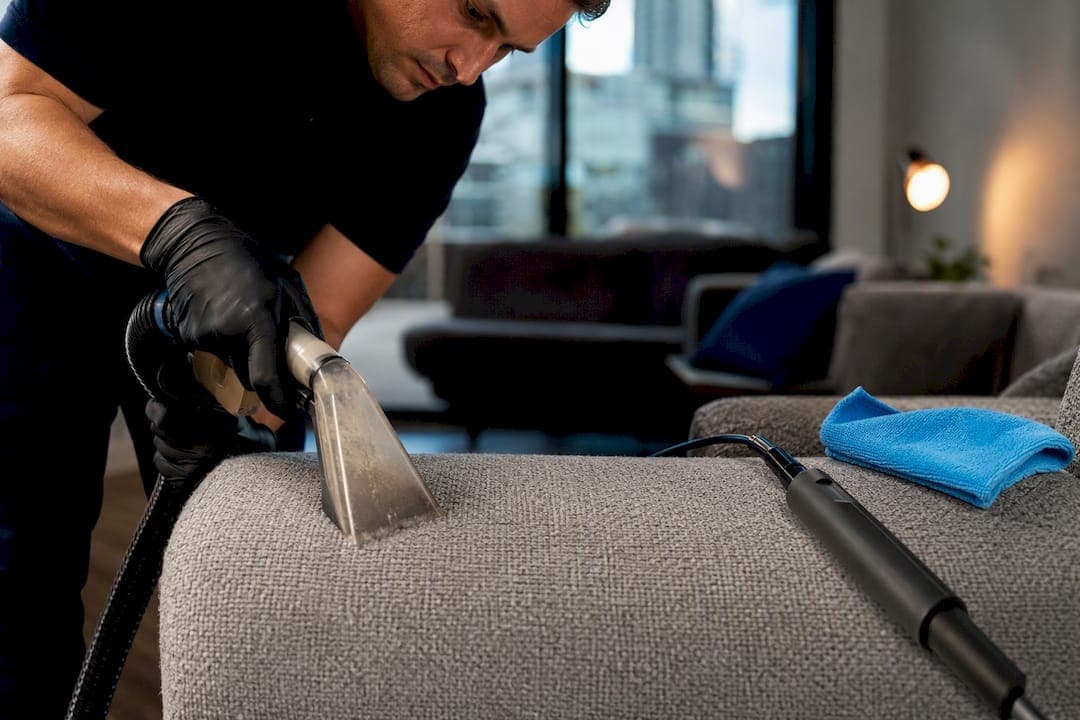
Steam or hot water extraction wins for deep soiling, allergens, and sanitising a genuinely dirty couch, while dry or low-moisture cleaning wins when the fabric is delicate, moisture-sensitive, or you need the couch back in use fast. Before you touch either method, find the care tag on your couch. It carries a code, W, S, WS, or X, and that code overrides personal preference every time.
TL;DR:
- Hot water extraction cleans deeper into padding and is more effective for removing embedded dirt, stains, and allergens compared to dry vapor steam or solvent cleaning.
- Dry vapor steam is suitable for surface sanitization and quick drying, which takes about 15 to 30 minutes, ideal for delicate fabrics or fast turnaround needs.
- Always verify the care tag code, with W or WS allowing water-based cleaning, while S or X codes restrict or prohibit liquid cleaning to prevent fabric damage.
- Drying time varies significantly: vapor steam dries surface in minutes, but extraction can take up to 12 hours, increasing mildew and mold risks if not dried properly.
- Professional cleaners assess fabric, soil depth, and household health factors before choosing the appropriate method, ensuring safety and fabric longevity.
Table of Contents
- Steam vs dry couch: how each method actually works
- Steam vs dry couch: matching the method to your problem
- Reading your couch's care tag before you choose a method
- How long a couch takes to dry and how to avoid mould
- Cleaning a couch in a pet household: a step-by-step approach
- What a professional cleaner checks before starting
- Why I lean toward the cautious, fabric-first choice
- Booking a professional clean without the guesswork
- Sources
- FAQ
Steam vs dry couch: how each method actually works
"Steam cleaning" gets thrown around loosely, and that's where most homeowners go wrong. There are really three distinct processes hiding under that one phrase, and they behave very differently on fabric.
Hot water extraction is what most professionals mean when they say "steam cleaned." A machine sprays hot water mixed with a cleaning solution into the upholstery, agitates it, then immediately vacuums the liquid back out. It's wet work, and it's the heaviest hitter of the three.
Dry vapor steam uses a small amount of very hot vapour, not liquid water, to lift dirt and kill surface bacteria. It leaves far less moisture behind, which is why the drying difference between it and extraction is so dramatic.
Dry compound or solvent cleaning skips liquid almost entirely. A powder or low-moisture solvent is worked into the fibres to bind with dirt, then vacuumed out. No soaking, no rinsing, minimal drying.
The practical differences that matter to you:
- Hot water extraction reaches deep into padding and flushes out contaminants that surface methods can't touch, but it can take 4 to 12 hours to dry depending on foam density and airflow.
- Dry vapor steam sanitises fibres at high temperature with barely any moisture, so it suits jobs where you can't afford a half-day of a damp couch.
- Dry compound methods carry the lowest moisture risk of the three but generally can't match extraction for pulling out deep-set grime or old stains.
- Steam sanitises surface fibres well, but it doesn't flush contaminants trapped in foam padding the way extraction does, so a urine soak into cushion foam usually needs the wetter method regardless of drying inconvenience.
Many cleaning technicians treat steam and extraction as complementary tools rather than rivals. Shops that run both a dry vapor unit and an extractor can match the method to the fabric instead of forcing one process onto every job, which is closer to how you should think about your own couch than picking a single "best" method for life.
Steam vs dry couch: matching the method to your problem
Rather than asking which method is universally better, ask what problem you're actually solving. Here's how the two stack up against common household scenarios.
- General grime and body oils on a sturdy fabric couch. Hot water extraction is the stronger pick here. It removes deep-seated dirt, allergens, and bacteria more effectively than dry methods, which matters most on a couch that sees daily use.
- Musty odours trapped in cushion foam or pet urine that's soaked past the fabric surface. Extraction again, because the problem lives below the surface where dry vapor can't reach.
- A couch that needs to be back in service within the hour, such as a rental turnover or a lounge before guests arrive. Dry vapor steam or a dry compound method wins on turnaround, drying in roughly 15 to 30 minutes on the surface.
- Delicate, loosely woven, or vintage upholstery where soaking risks shrinkage or watermarking. Dry or low-moisture cleaning is the safer default and sometimes the only option the fabric code allows.
- Reducing dust mites and airborne allergens without a heavy wet clean. Steam handles this reasonably well on its own, since heat kills a large share of surface-level mites and bacteria without extraction's soaking cycle.
The tradeoff comes down to depth versus speed. Extraction goes deeper and lasts longer between cleans, but it costs you a day of a damp couch. Dry methods get you moving again fast, but they won't rescue a couch with grime buried in the padding.
Reading your couch's care tag before you choose a method
Every couch sold with upholstery fabric carries a cleaning code on a tag, usually tucked under a cushion or on the frame's underside. Ignore it and you risk shrinking the fabric, leaving a watermark, or worse, weakening the fibres so badly the upholsterer has to start over.
- W means water-based cleaning is safe, which opens the door to both steam and extraction.
- S means solvent-based cleaning only, so a wet steam or extraction job risks staining or shrinking the fabric.
- WS means either water or solvent-based methods will work, giving you the most flexibility of the four codes.
- X means avoid liquids entirely and stick to vacuuming, since even light moisture can leave a permanent mark or damage the weave.
Before committing to a full clean, test any solution on a hidden patch with a plastic-free cleaning cloth, the underside of a cushion or the back of an armrest, and wait a few minutes to check for colour change or puckering (Plastic-Free Commercial Cleaning Cloth | Compostable Wipes – ZERO). If the fabric reacts, or you simply can't find a legible tag, that's your cue to call a professional rather than gamble on a couch you can't easily replace.
Silk blends, rayon, some velvets, and older vintage textiles deserve extra caution even when tagged W or WS. These fibres can weaken or distort under heat and moisture in ways a modern polyester blend won't.
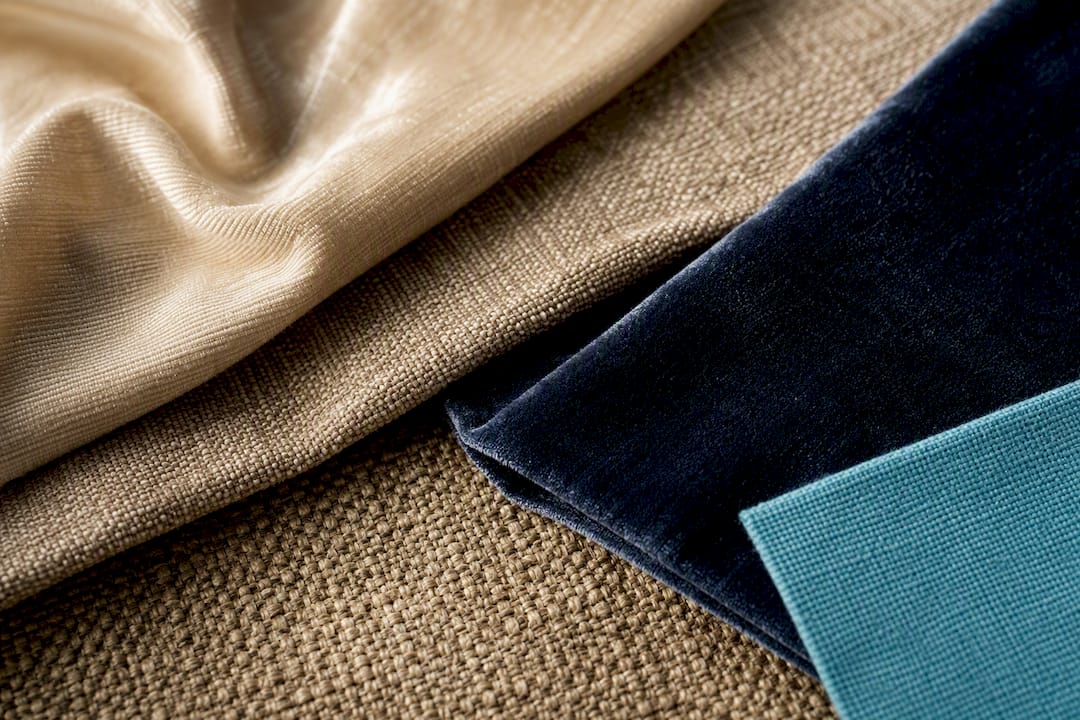
Pro Tip: Keep a phone photo of your couch's care tag. Tags fade or get lost under cushions over the years, and having the code on hand saves you a frantic search the next time you book a clean.
How long a couch takes to dry and how to avoid mould
Drying time is where steam and extraction diverge most sharply, and it's the detail most homeowners underestimate before booking a clean. Dry vapor steam leaves upholstery surface-dry in about 15 to 30 minutes, while hot water extraction can take 4 to 12 hours depending on how dense the foam is and how much airflow the room gets.
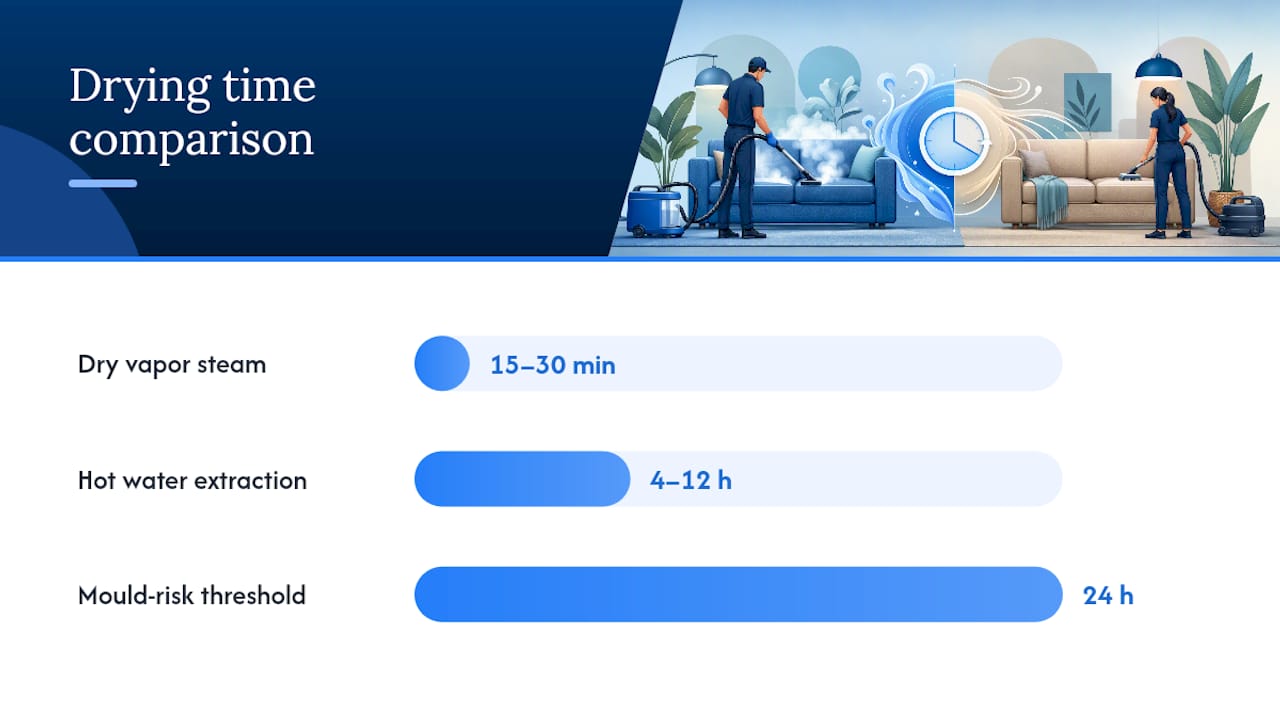
That gap isn't trivial. A couch left damp overnight in a closed, humid room is a genuine mould risk, especially inside the cushion foam where moisture hides from view.
A few practical steps cut drying time without wrecking the fabric:
- Remove cushions where possible and prop them upright so air moves through both sides.
- Run a fan or dehumidifier in the room rather than relying on open windows alone.
- Avoid direct heat sources like heaters or hairdryers, which can set stains permanently or damage certain fabrics.
- Never cover a damp cushion with a throw or plastic sheet before it's fully dry, since that traps moisture rather than releasing it.
Watch for a musty smell or a cool, damp patch that lingers more than a day after cleaning. Trapped moisture is the main driver of mildew forming inside cushions, and once mould takes hold in foam padding, it's far harder to remove than it was to prevent. If a cushion still feels damp after 24 hours in good airflow, that's the point to call in a professional rather than wait it out.
Cleaning a couch in a pet household: a step-by-step approach
Pet hair and pet accidents change the calculus on which method to use, and the order you do things in matters as much as the method itself.
- Vacuum thoroughly first. Loose hair and debris should come off before any liquid touches the fabric.
- Use rubber gloves or a lint roller on stubborn embedded hair. Mechanical hair removal should happen before wet cleaning, because steaming over hair can clump it and push it deeper into the weave rather than lifting it out.
- Spot-treat any visible stains before a full clean. This stops a small mark from spreading across a larger area during extraction or steaming.
- Choose extraction for urine that has soaked into padding or heavy, set-in stains. Surface steam won't reach contamination that's already sitting in the foam.
- Choose dry vapor steam for sanitising surface odours or freshening a couch between deeper cleans, particularly on fabrics that can't handle a full wet extraction.
For flea concerns specifically, a vet-approved steam protocol targets eggs and larvae in fabric without relying on chemical sprays, though it should always be paired with a proper flea treatment plan for the animal itself, not used as a standalone fix.
Pro Tip: Check your fabric code before treating any pet stain with heat. Steam is excellent at breaking down odour compounds, but on an S-coded fabric it can set a stain rather than lift it.
Households combining pets and a mixed cleaning approach, mechanical removal first, then a tailored steam or extraction choice based on where the contamination sits, tend to get the best results without damaging the fabric in the process.
What a professional cleaner checks before starting
A technician walking into your lounge room doesn't reach for the steamer automatically. There's a short mental checklist that runs before any equipment comes out, and knowing it helps you ask the right questions when booking.
- Fabric identification and care code, confirmed against the visible tag or by testing an inconspicuous patch if the tag is missing.
- Soil type and depth, since surface dust calls for a different approach than urine that's reached the padding.
- Drying constraints, including room ventilation, whether the couch needs to be usable same-day, and the season.
- Health considerations for the household, particularly for babies, allergy sufferers, or anyone with respiratory sensitivity where a lower-moisture option might be preferred.
A cleaner who takes upholstery seriously will disclose which method they're using and why, give you a realistic drying estimate before starting, and use products that won't leave a chemical residue on a couch your kids or pets sit on daily. The professional standard here isn't informal, either. The IICRC S300 standard governs textile and upholstery cleaning practice, and it's worth asking whether a technician works to it.
If fleas or allergens are a driving concern, steam's effect on dust mites is worth understanding before you book, since it shapes whether a straight steam job or a combined approach makes more sense for your situation.
Why I lean toward the cautious, fabric-first choice
Marketing copy loves the phrase "steam cleans everything," and it's simply not true. The fabric code on your couch was written by someone who tested that exact material, and it beats any generic claim printed on a cleaning product box.
I'd rather see a homeowner choose the slower, safer method and get a couch that lasts another five years than chase the fastest clean and end up with a shrunk cushion cover or a mould problem hiding in the foam. Prevention matters more than intensity here. A couch vacuumed weekly and deep-cleaned once or twice a year rarely needs the aggressive option at all.
— Deng
Booking a professional clean without the guesswork
Professional cleaning services are the alternative to guessing your way through a DIY steam job. Where DIY hire units force you to pick a method blind, trained technicians check your fabric code, assess soil depth, and confirm drying constraints before a single drop of moisture touches your couch.
Upholstery steam cleaning services cover everyday sofas through to pet-heavy households, and the approach to flea and odour jobs follows the same vet-approved steam protocol referenced earlier in this guide. For those preparing a property for sale or handing back a rental, the same fabric-first care extends into presale and end-of-lease cleaning, where a damaged cushion or lingering damp smell can cost at inspection.
When you book, ask us directly about the method we'll use, the expected dry time for your specific fabric, and our eco-friendly product range. Our staff are police-checked and insured, and every job comes with a satisfaction guarantee, no lock-in contracts required. Check our full range of cleaning services and get a quote for your couch, carpet, or whole-home clean today.
Sources
The IICRC S300 standard sets the professional benchmark for textile cleaning. Architectural Digest breaks down fabric codes clearly, while BobVila covers practical drying and mildew risk in plain terms useful for any household.
- Commercial Steamer vs Extractor Upholstery: 2026 Glossary - Hoffman Steamers
- How to clean a couch or sofa | Architectural Digest
- The best way to clean a couch | BobVila
- Best pet hair remover tips | Bunnings DIY advice
- IICRC S300 textile cleaning standards
FAQ
Is steaming as effective as dry cleaning for a couch?
Neither method is universally "more effective." Steam and hot water extraction reach deeper into padding and remove more embedded dirt, while dry cleaning is faster and gentler on moisture-sensitive fabrics, so the right choice depends on the fabric code and the type of soiling.
Is it good to steam your couch regularly?
Steaming a couch periodically helps sanitise fibres and reduce dust mites, but frequent wet cleaning on the same fabric can wear it down faster, so most homes are better off steaming a couple of times a year and vacuuming weekly in between.
How long does a couch take to dry after steam cleaning?
Dry vapor steam typically leaves a couch surface-dry within 15 to 30 minutes, while hot water extraction can take 4 to 12 hours depending on foam density and airflow in the room.
How often should I steam clean my couch?
Most households do well with a deep steam or extraction clean once or twice a year, with light vacuuming weekly to keep surface dirt and pet hair from building up between cleans.
Can you steam clean microfibre couches?
Most microfibre couches carry a W or WS code that permits water-based cleaning, but always check the tag first since some microfibre blends are S-coded and require solvent-based cleaning only.