The easiest way to lose part of your bond is to leave cleaning until the last minute and miss hidden spots. Plan early, work from your entry condition report, photograph everything, and prioritise the oven, carpets and behind-appliance areas. The biggest traps are rushed timelines, skipped hidden corners, the wrong cleaning products, dirty appliances, ignored carpet stains and weak documentation. Fix those six and you remove most of the reasons an agent can justify a deduction.
TL;DR:
- Most tenants need only match initial cleanliness; Victoria may require a professional cleaner when the lease says so and move in cleaning was professional.
- Keep the entry report and dated room photos; in the ACT, failing to return the signed document can count as accepting its recorded condition.
- Book a professional when handover is close, stains have set, or mold raises safety concerns, and request an itemized quote tied to the agent's checklist.
- Treat fresh carpet stains with a carpet cleaning solution and blot instead of rubbing; widespread stains or odors justify steam cleaning before inspection.
- Never mix bleach and ammonia based cleaners, because the combination produces toxic chloramine gas; wear gloves and ventilate when using strong oven or drain products.
Table of Contents
- Top move out cleaning mistakes and how to fix each one
- How inspections and bond claims actually work
- When to hire a professional bond cleaner
- Running through a full room-by-room checklist
- Keeping on top of cleaning while you live there
- Handling unexpected problems like pet stains or smoke damage
- Three habits that prevent most inspection headaches
- A direct option if you'd rather not do it yourself
- FAQ
- Sources
Top move out cleaning mistakes and how to fix each one
Most bond disputes trace back to a handful of avoidable errors. Here's what goes wrong and the quick fix for each.
- Starting too late. A proper end-of-lease clean takes longer than people expect, especially in a furnished home. Begin decluttering and tackling less-used rooms two to three weeks out, deep-clean the kitchen and bathroom a week before handover, and save floors, windows and a final walkthrough for the last 24 to 48 hours once furniture is gone.
- Ignoring the condition report. Your entry condition report is the benchmark your final clean gets measured against. Pull it out before you start, note anything already marked as worn or damaged, and photograph every room again once you've cleaned, then email the photos to your agent as a dated record.
- Missing hidden spots. Inspectors check the areas tenants forget. Common misses include behind the fridge, the oven kickplate, window tracks, exhaust fans, skirting boards and the floor under wardrobes once furniture moves out.
- Using the wrong products. Abrasive pads and harsh chemicals damage more than they clean. Stone benchtops need a pH-neutral cleaner, timber floors want a damp (not wet) mop, painted walls need a soft cloth rather than scrubbing, and shower screens respond best to a vinegar solution rather than bleach-based sprays.
- Leaving appliances dirty. Ovens, rangehood filters, microwaves, fridges and dishwashers are inspected individually. Soak the rangehood filter in hot soapy water, wipe the fridge seals and interior, run a vinegar cycle through the dishwasher, and use a degreaser on oven racks and glass rather than a knife or scourer.
- Ignoring carpet stains. Spot-treat fresh marks immediately with a carpet-safe solution and a white cloth, blotting rather than rubbing. For widespread stains or odours, hiring a steam cleaner is usually far cheaper than a landlord-arranged clean charged against your bond.
- Rushing the final walkthrough. Clean only after all furniture and boxes are out, since that's when inspectors see the space too. Do your own walkthrough with a checklist before the agent arrives so nothing gets flagged first.
- Losing your paperwork. Keep every receipt: cleaning products, equipment hire, professional invoices and email correspondence with your agent. These become your evidence if a deduction is disputed later.
- Clean top to bottom: ceilings, fans and light fittings first, then surfaces, then floors last.
- Photograph each room before and after cleaning, with timestamps if your phone supports it.
Pro Tip: Do a final sweep with a torch along skirting boards and inside cupboards. Dust that's invisible in daylight shows up clearly under inspection lighting.
How inspections and bond claims actually work
The legal standard in most states is simple: leave the property in a reasonably clean condition that matches the entry report, allowing for fair wear and tear. There's generally no requirement to hire a professional cleaner, according to RTA Queensland. The one notable exception is in Victoria, where professional cleaning can be required if the property was professionally cleaned before you moved in and the lease explicitly says so, a point confirmed by Tenants Victoria.
Your signed condition report carries real weight. Under The Renting Book guidance for the ACT, failing to return a signed report can be taken as agreement with whatever condition was recorded, which makes photo evidence your best backup.
The items that trigger the most disputes are consistent across guidance, and keeping your own photo log is the simplest way to challenge an unfair claim.
- Oven interiors and rangehood filters left greasy.
- Shower screens with soap scum or mould.
- Carpet stains and lingering odours.
- Skirting boards and wall marks.
If you disagree with a claim, request an itemised breakdown with receipts, compare it line by line against your entry condition report, and escalate in writing to your state's tenancy authority if the agent won't budge. For NSW tenants, the official moving-out guidance outlines the final inspection process and your right to attend.
When to hire a professional bond cleaner
DIY works for most tenancies, but a few situations make a professional clean worth the cost: limited time before handover, an oven or grout buildup that won't shift, carpet stains that have set in, or safety concerns around mould or strong odours.
A standard professional end-of-lease service typically covers:
- Full kitchen and bathroom deep clean, including grout and tapware.
- Oven interior and rangehood degreasing.
- Carpet steam cleaning, if arranged in advance.
- A final touch-up pass and a re-clean guarantee if the agent flags an issue.
Weigh the quoted cost against what a bond deduction for cleaning typically runs, since a thorough professional job often costs less than losing part of your bond over a missed oven or stained carpet.
Our end-of-lease cleaning service offers tailored packages, eco-friendly products, police-checked staff and a bond-focused approach built around what agents actually inspect.
Pro Tip: Ask any cleaner for an itemised quote that matches your agent's inspection checklist line by line, so nothing gets missed on either side.
Running through a full room-by-room checklist
A proper end-of-lease clean covers every surface an inspector is likely to check, not just the obvious ones. Use the printable checklist as a reference and work through each room methodically.
In the kitchen, clean inside and outside every cupboard, wipe down benchtops and splashbacks, degrease the oven and rangehood, and don't forget the exhaust fan filter. In the bathroom, scrub grout, descale tapware, clean the shower screen and exhaust fan, and check behind the toilet for dust buildup.
Floors need vacuuming and mopping last, after every other surface is done, so dust and debris from higher surfaces don't resettle. Windows should be cleaned inside (and outside where accessible), including tracks and sills where grit collects. Skirting boards throughout the property are an easy thing to skip but a common inspection flag.
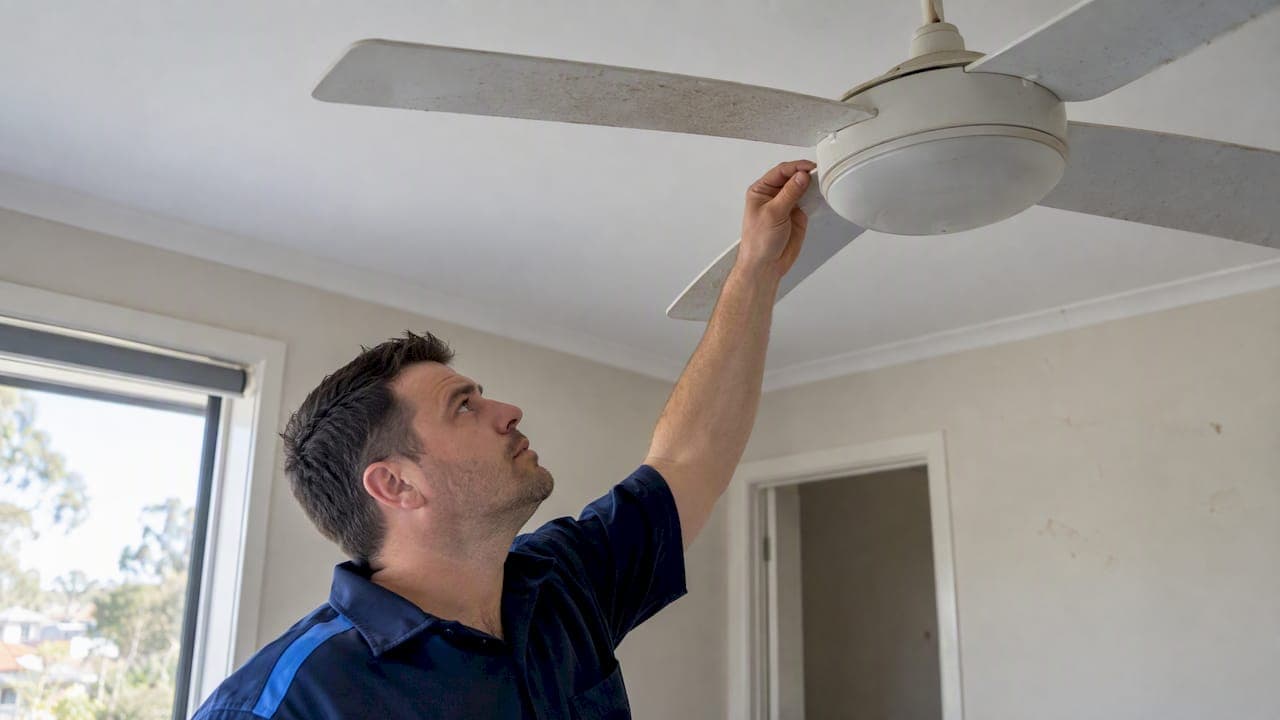
Light fittings and ceiling fans collect dust that's invisible until the lights are on during inspection, so wipe them down with a microfibre cloth. Vents and exhaust fans, both in the kitchen and bathroom, often carry a layer of grease or dust that's easy to miss from floor level. Working through each room in the same order every time means nothing gets forgotten when you're tired and ready to hand over the keys.

Keeping on top of cleaning while you live there
The less maintenance you defer, the smaller your move-out job becomes. Wiping down the stovetop and splashback after cooking prevents grease from baking on over months, which is what makes oven cleaning such a dreaded final task.
A quick weekly pass over bathroom tiles and the shower screen stops soap scum and mould from building up to the point where it needs serious scrubbing or a bond deduction. Vacuuming regularly, especially in high-traffic areas, keeps carpet fibres from grinding in dirt that later needs a steam clean to shift.
Dealing with spills the moment they happen, rather than letting them dry, makes carpet and upholstery stains dramatically easier to remove later. The same goes for skirting boards and light fittings: a quick dust every month or two means you're never facing years of buildup in the final week.
If you've been in the property for a long tenancy, consider a mid-lease deep clean once every year or so, covering the oven, grout and carpets. It spreads the effort out and means your final clean is closer to routine maintenance than a full-scale project.
Handling unexpected problems like pet stains or smoke damage
Some cleaning challenges go beyond a normal checklist. Pet stains and odours need enzymatic cleaners rather than standard detergents, since enzyme-based products break down the organic compounds causing the smell instead of just masking it. Treat the area as soon as you notice it, blot rather than scrub, and repeat the treatment if the odour lingers after drying.
Smoke damage, whether from cooking, candles or a previous resident, tends to settle into soft furnishings, curtains and even painted walls. Washing curtains and blinds, wiping walls with a mild detergent solution, and running an air purifier or ventilating the space for a few days can help, though stubborn smoke odour in carpet or upholstery often needs a professional steam clean to fully clear.
Never mix bleach with ammonia-based products when tackling tough stains or odours, since the combination produces toxic chloramine gas. Strong oven and drain cleaners also carry a chemical burn risk, so wear gloves and ventilate the room. If anyone is exposed or poisoning is suspected, Healthdirect Australia advises calling the Australian Poisons Information Centre on 13 11 26 immediately.
For anything beyond your comfort level, whether that's deep-set pet odour, mould or significant smoke residue, a professional clean is often the safer and more reliable option than experimenting with strong chemicals yourself.

Three habits that prevent most inspection headaches
After seeing how most bond disputes actually unfold, three habits stand out above everything else. Take photos of the property the day you move in and email them to your agent within two weeks, because a condition report without evidence is just a form. Always clean after the movers have gone, not before, since furniture hides exactly the spots inspectors check first. Finally, work top to bottom and finish with vacuuming and mopping right before the final walkthrough, so nothing resettles after you've already called it done.
— Deng
A direct option if you'd rather not do it yourself
When time is tight, stains won't shift, or you just want the guarantee of a documented clean, booking a professional is often the simpler choice.
- Customised end-of-lease packages built around your agent's checklist.
- Eco-friendly products that are safe for pets, kids and sensitive surfaces.
- Police-checked, insured cleaning staff.
- Simple online booking with flexible scheduling.

Our end-of-lease cleaning service is built around exactly these inspection points. Book online and get your bond-focused clean sorted before handover day.
FAQ
Are tenants required to professionally clean before moving out?
Generally, no. Most Australian jurisdictions only require tenants to leave the property as clean as it was at the start of the tenancy, according to RTA Queensland. The main exception is Victoria, where professional cleaning can be required if the lease specifically states it and the property was professionally cleaned before you moved in.
Can you do an end of lease clean yourself?
Yes, a DIY clean is acceptable in most cases as tenancy rules generally focus on the result rather than who does the work, as outlined by Renting Guide Australia. It works well if you have enough time and the property doesn't have serious grease, mould or carpet stain issues that need specialist equipment.
What are common move out cleaning mistakes that cause bond deductions?
The most frequent issues are leaving cleaning until the last minute, missing hidden spots like behind appliances or window tracks, and skipping problem areas such as the oven interior, rangehood filter, shower screens and carpets, as noted in RTA Queensland's guidance. Poor documentation, like not keeping photos or receipts, also makes disputes harder to win.
Which cleaning products should I avoid when moving out?
Avoid mixing bleach with ammonia-based cleaners, since the combination produces toxic chloramine gas, and be cautious with strong oven or drain cleaners due to chemical burn risk, according to Healthdirect Australia. Abrasive pads and harsh chemicals can also damage stone, timber and painted surfaces, leading to repair costs instead of a simple clean.
Should I steam clean the carpets before moving out?
If there are visible stains or odours, steam cleaning or spot-treating beforehand is usually far cheaper than a landlord-arranged clean charged against your bond, as noted by Renting Guide Australia. Hiring a carpet cleaner yourself or booking a professional steam clean before the final inspection reduces the risk of a dispute over stains.
Sources
- RTA Queensland — Vacating a property: cleaning
- Healthdirect Australia — Poisoning
- Renting Guide Australia — End-of-lease cleaning in Australia
- The Renting Book (ACT) — January 2026