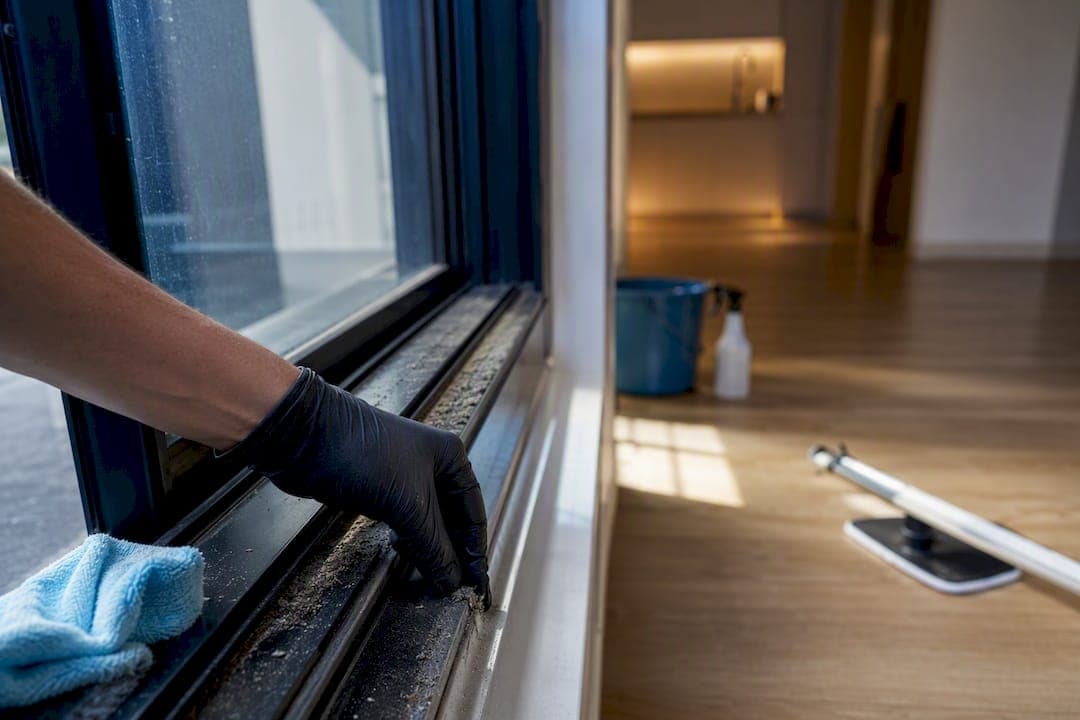
Yes, clean before you unpack. Start with your supplies bag, then work top-to-bottom through the house, hitting the kitchen and bathrooms first while every room is still empty. That window between getting your keys and the moving truck turning up is the best cleaning opportunity you'll get in this house, full stop.
TL;DR:
- Deep cleaning the house before unpacking is essential as most homes are left broom clean rather than sanitized, with hidden grease, dust, and grime accumulating over years.
- The optimal time for cleaning is after settlement and before furniture arrives, focusing on high-impact areas like kitchens and bathrooms first to prevent re-soiling later.
- Using the right supplies, such as microfibre cloths, HEPA vacuums, and pH-neutral cleaners, helps prevent damage to surfaces and promotes a healthier, eco-friendly home environment.
- Prioritize cleaning essential functional areas like appliances, vents, grout, and safety devices such as smoke and carbon monoxide alarms, over cosmetic details under time constraints.
- Hiring a professional is advisable for heavy grime, pest issues, or when time is limited, especially for deep cleans of carpets, vents, and appliance interiors.
Table of Contents
- Why clean before you unpack (and when to schedule it)
- What supplies and tools do you actually need?
- What's the room-by-room move-in cleaning checklist?
- How should you sequence the deep clean?
- When does it make sense to hire a professional?
- Quick printable move-in cleaning checklist
- Protecting the house before the furniture rolls in
- Checking smoke alarms, CO alarms, and locks properly
- Spotting pest issues while you clean
- Cleaning wood, carpet, and tile floors the right way
- Choosing eco-friendly cleaning products for a healthier home
- Why the standard move-in checklist still falls short
- Sources
- FAQ
Why clean before you unpack (and when to schedule it)
An empty house is a rare thing. Once the boxes and furniture land, you're cleaning around obstacles for months. Sellers typically leave a house "broom clean" rather than genuinely sanitised, which means grease behind the stove, dust in light fittings, and grime in grout that a quick vacuum never touched. The best time to deal with all of it is the gap after settlement and before the revivalists arrive, and most Australian guides on cleaning a new home before moving in agree this timing beats any post-move scramble.
Before you start scrubbing, spend twenty minutes on prep:
- Photograph any stains, cracks, or damage. This protects you if a warranty claim or bond dispute comes up later.
- Open every window for ventilation, especially if the house has been sealed for a while.
- Locate the mains power switch, water shutoff, and circuit breaker.
- Pack an "empty house kit" (supplies, snacks, phone charger, rubbish bags) so you're not driving back to the shops mid-task.
What supplies and tools do you actually need?
A proper move-in cleaning checklist starts with the right gear, not enthusiasm. Guides on deep cleaning a new house before moving in recommend microfibre cloths, a vacuum with attachments, oven degreaser, all-purpose cleaner, glass cleaner, scrub brushes, a mop, a bucket, and gloves as your baseline kit.
For bigger jobs, consider renting or hiring:
- A HEPA vacuum for dust-heavy homes or if anyone in the family has allergies.
- A steam cleaner for grout, tile, and stubborn kitchen grease.
- A carpet extractor rental if the carpets need more than a surface vacuum.
- An oven degreaser strong enough for baked-on residue from previous owners.
Check what each cleaner is safe for before you start. Bleach-based products can dull natural stone benchtops, and harsh degreasers can strip the finish off timber and laminate cabinetry.
Pro Tip: Test any new cleaning product on a small hidden patch first, tile grout in a corner, or the inside of a cabinet door, before using it across a whole surface.
What's the room-by-room move-in cleaning checklist?
This is the core of any move-in preparation cleaning plan: work through each space methodically instead of jumping around. A task-based, room-by-room approach starting with the kitchen, then bathrooms, then living areas, catches high-impact items like appliance interiors and vents that a quick wipe-down misses.
-
Kitchen first. Empty and wipe out every cabinet and drawer before anything goes in them. Clean inside the fridge and freezer with a mild disinfectant, then run it empty for a few hours before switching to cold storage. Degrease the oven and stovetop, and don't skip the rangehood filter, it collects more grime than most people expect. Wipe down benchtops with a cleaner suited to the surface (stone, laminate, or timber all need different products). Clean the sink and, if fitted, the disposal unit. Before loading dishes, run the dishwasher on an empty cycle with a cleaning tablet to clear out residue left by the previous household.
-
Bathrooms and laundry. Scrub shower and tub grout with a dedicated grout cleaner and a stiff brush, this is where mould loves to hide. Clean the toilet from the cistern lid down to the base, and seriously consider replacing the toilet seat entirely rather than just sanitising it, a fixture that's harder to disinfect properly than most people assume. Empty and wipe out vanity cabinets. Check and clean the exhaust fan, dust buildup there is both a fire and mould risk. In the laundry, run an empty cycle on the washing machine with hot water and a machine cleaner, and wipe down the door seal, where mould and lint commonly build up unnoticed.
-
Living areas and bedrooms. Wipe window tracks and sills, they trap months of dust even in a "clean" house. Vacuum or wipe blinds and curtains depending on the fabric; venetian blinds respond well to a damp microfibre glove, while fabric curtains might need a light steam or a trip to the dry cleaner if heavily soiled. Dust ceiling fans (both blades and the motor housing) and light fittings. Run a cloth along skirting boards and door frames. Empty every closet and wipe the interior shelves before hanging a single item. Spot-clean any marks on the walls with a magic eraser or diluted all-purpose cleaner.
-
Floors, entry, and garage. Vacuum thoroughly, corners and edges included, before mopping hard floors. If you're planning a carpet steam clean, book it as the very last task in the house so nobody walks over damp carpet. The entry and garage often get overlooked, but a quick sweep and wipe of light switches near the door pays off once moving boxes start scuffing through.
For anything beyond a standard clean, oven grease that won't budge or a rangehood filter caked solid, a step-by-step oven deep clean guide can save you from buying a whole cabinet of specialty products for a single job.
How should you sequence the deep clean?
The order you clean in matters almost as much as what you clean. Go top-to-bottom, high-to-low, back-to-front, dust falls, so ceiling fans and light fittings come before benchtops, and benchtops come before floors. A proven sequence for empty-house cleaning runs: ventilate and photograph, dust ceilings and fittings, clean cupboards and appliances, deep-clean bathrooms, then finish with floors and carpet extraction, so you're never re-cleaning a surface you already finished.
Don't skip the spots that don't scream for attention:
- Window tracks and the corners inside cupboards.
- Behind and underneath major appliances, once you can move them.
- Door tops and the hinge side of every door, dust collects there and nobody looks up.
- Dryer vents and lint traps, a blocked external vent is a genuine fire risk, not just a cleaning afterthought.
While you're there, swap air-conditioning and HVAC filters and give return air grilles a wash. Running appliance cleaning cycles before first use clears invisible residue left by the previous household, and the same logic applies to air filters: a fresh one before you seal the house back up means better air from day one.
When does it make sense to hire a professional?
Some jobs are worth outsourcing. Heavy grease buildup, pet dander embedded in carpet, construction dust after a renovation, or simply not having a spare weekend are all good reasons to call in help instead of grinding through it solo.
A professional move-in clean typically covers appliance deep cleans, carpet steam extraction, and vent cleaning, the exact tasks that eat the most hours when done by hand. If you're weighing up what's included in a standard house cleaning service versus a DIY weekend, it usually comes down to time, equipment, and how deep the grime actually goes.
To get the most from a booked clean:
- Clear access to cabinets, the oven, and any tight corners before they arrive.
- Photograph pre-existing damage so nothing gets blamed on the cleaning crew.
- Flag special surfaces (natural stone, timber floors) so they use the right products.
- Ask what's included in the quoted price, appliance interiors and window tracks aren't always standard.
Quick printable move-in cleaning checklist
Stick this on your phone or print it for the car:
- Kitchen: cabinets, fridge, oven, rangehood filter, dishwasher cycle
- Bathroom: grout, toilet, exhaust fan, vanity interior
- Laundry: washing machine cycle, door seal
- Living/bedrooms: windows, blinds, ceiling fans, closets, skirting boards
- Floors: vacuum then mop, carpet steam-clean last
- Timing: finish before the truck arrives, or clean the highest-priority rooms first if you've only got one window
Protecting the house before the furniture rolls in
Once the cleaning's done, resist the urge to relax just yet. A few protective steps here save you from undoing all that work in the first hour of moving day.
Lay down furniture sliders, moving blankets, or flattened cardboard on freshly mopped floors and any timber or tile you don't want scratched. Removalists moving fast with heavy items rarely notice a dragged corner until it's too late. If you've just had carpets steam cleaned, keep foot traffic off them until they're fully dry, damp carpet fibres crush and stain far more easily than dry ones.
Test every smoke detector before the first box comes through the door, it's far easier to check batteries and function in an empty room than after furniture blocks the hallway. Do the same for any carbon monoxide alarms, particularly in homes with gas appliances or an attached garage.
Check that all door locks, window latches, and the garage remote actually work. If this is a previous rental or resale, it's worth asking whether locks have been rekeyed since the last occupant, a cheap step that closes an obvious security gap. Confirm the mains water and power are both flowing properly before you need them mid-unpack.
Wipe down light switches and door handles one final time; these are the surfaces you'll touch most in the first week, and they're often the last thing anyone thinks to clean.
Checking smoke alarms, CO alarms, and locks properly
Safety checks deserve more than a glance and a nod. Press the test button on every smoke alarm in the house, not just the one nearest the kitchen, and confirm the chirp is a solid alarm tone rather than a weak low-battery beep. If the alarms are more than ten years old, replace the whole unit rather than just the battery, sensors degrade over time regardless of upkeep.
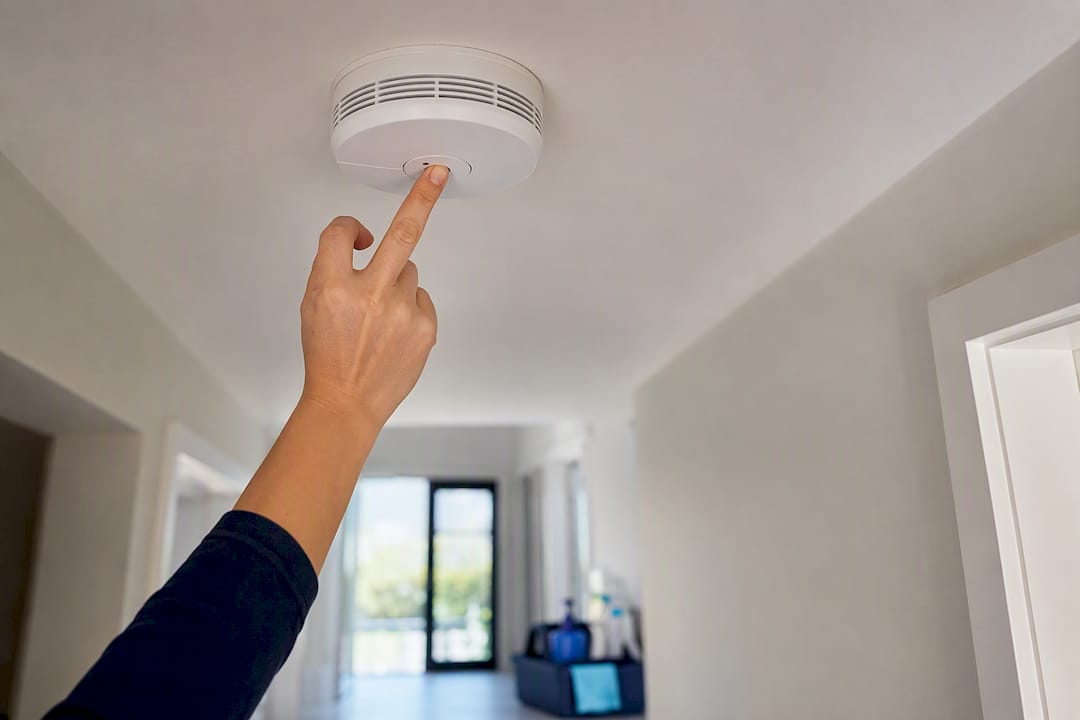
Carbon monoxide alarms need the same attention, especially in a home with a gas hot water system, gas heater, or an attached garage where a car might run briefly. Position matters here: CO alarms work best near sleeping areas, not tucked in a hallway cupboard.
For door locks, walk the entire perimeter of the house, front door, back door, side gates, garage entry, and test each one from both sides. A lock that sticks or doesn't fully engage isn't just an inconvenience, it's a security risk you don't want discovered during a break-in attempt rather than a calm Tuesday afternoon. If you're renting, note any faulty locks in writing to the property manager immediately; if you own the home, budget for a locksmith visit in the first week if anything feels off. Window latches and flyscreens are easy to forget in this sweep but matter just as much, particularly on ground-floor rooms.
Spotting pest issues while you clean
Cleaning an empty house gives you a genuine advantage here too: pests are far easier to spot with no furniture in the way. Look for small dark droppings along skirting boards and inside cupboard corners, a sign of mice or cockroaches. Check under the kitchen sink and around the hot water system for damp patches, pests are drawn to moisture as much as food scraps.
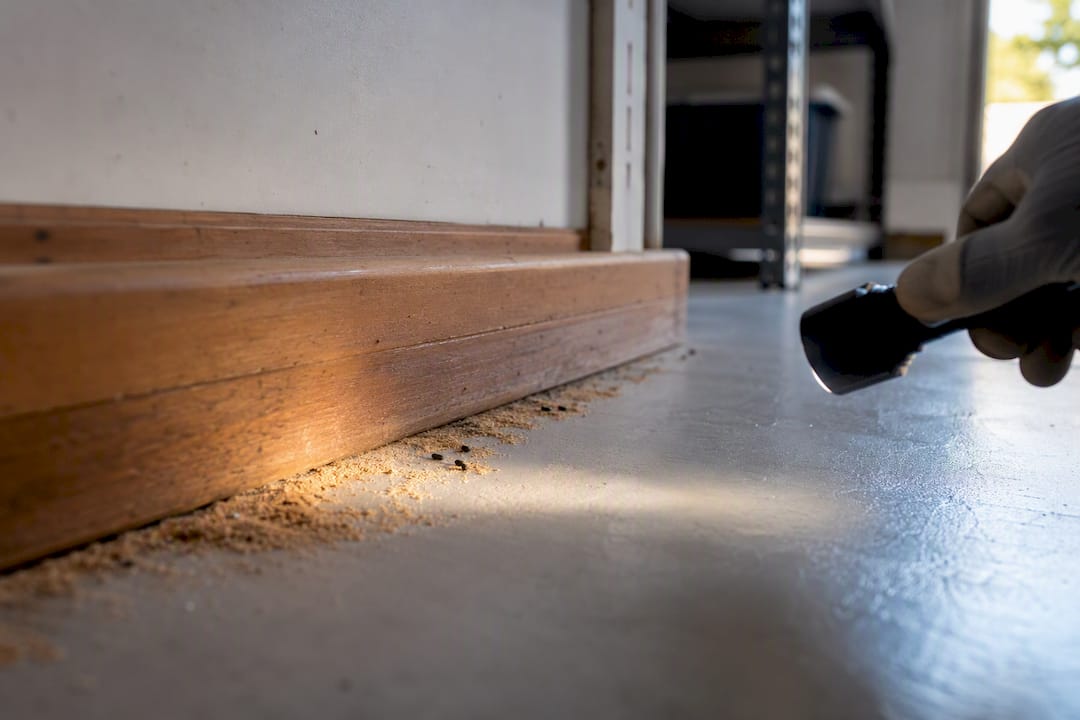
Fine sawdust-like trails near timber skirting or door frames can point to termite activity, worth a professional pest inspection rather than a DIY fix if you spot it. Spiderwebs in corners are usually harmless, but a heavy web presence in a roof void or subfloor sometimes signals a bigger pest population feeding nearby.
If you find evidence of an infestation, hold off on sealing gaps and finishing your clean until you've had it assessed. Painting over an entry point or caulking a gap doesn't solve the underlying issue, and it can make a future inspection harder. For a house that's been vacant a while, it's worth checking the garage and any external storage sheds too, these areas often get skipped in a rush to clean the liveable rooms first.
Cleaning wood, carpet, and tile floors the right way
Floor type changes your whole approach, and using the wrong product on the wrong surface can cause damage that costs more to fix than the clean itself.
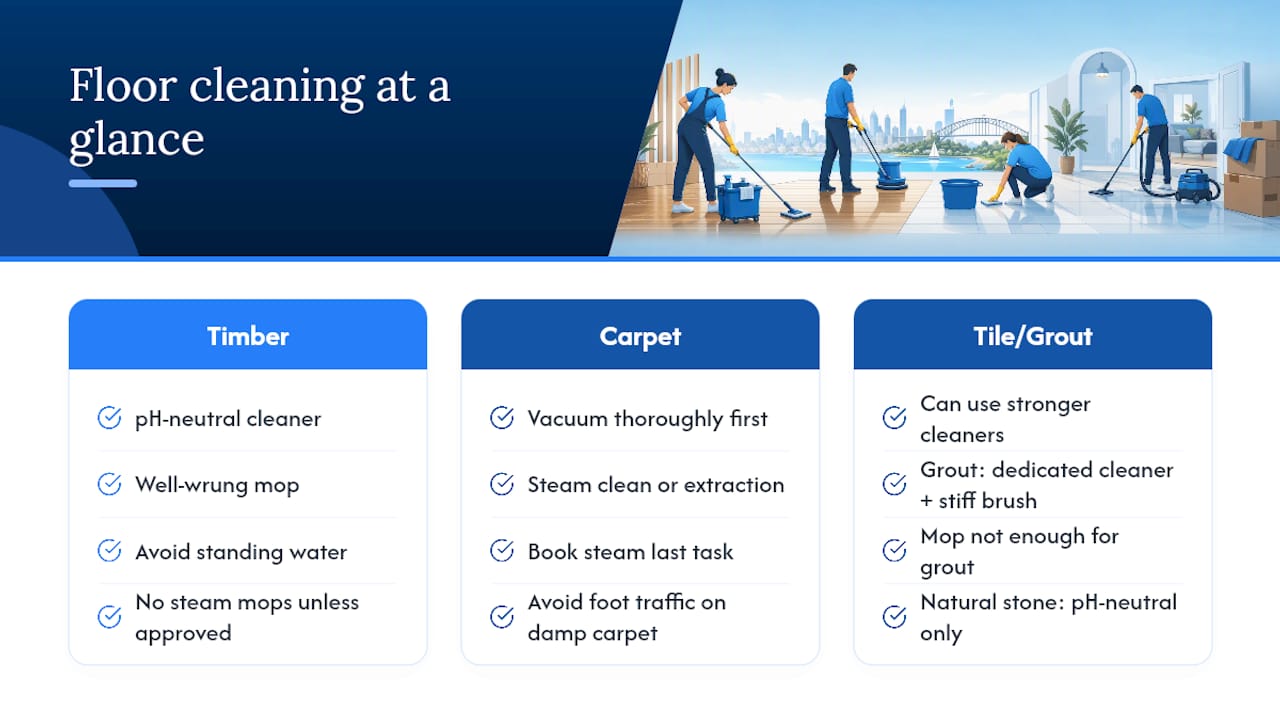
Timber floors need a pH-neutral cleaner and a well-wrung mop, standing water is the enemy here, it seeps into seams and causes warping or discolouration over time. Avoid steam mops on timber unless the manufacturer specifically says the finish can handle it.
Carpet benefits from a thorough vacuum first, then a steam clean or extraction if the previous occupants had pets or the carpet looks visibly worn. Book carpet steam cleaning as the last task in your sequence, since foot traffic on damp carpet undoes the work almost immediately.
Tile and grout hold up to more aggressive cleaning than timber, but the grout lines themselves need a dedicated grout cleaner and a stiff brush rather than just a mop pass. Natural stone tile is the exception, it's porous and can etch or dull with acidic or bleach-based cleaners, so stick to pH-neutral products designed for stone.
Choosing eco-friendly cleaning products for a healthier home
A new house is the ideal moment to rethink what's under your sink. Plenty of standard cleaning products contain volatile organic compounds that linger in a sealed, freshly cleaned home, not something you want your family breathing in during the first week.
Look for products labelled low-VOC or fragrance-free, particularly for glass cleaners and disinfectants used in enclosed spaces like bathrooms. Microfibre cloths cut down on chemical use generally, since they lift dust and grime with water alone for most surfaces, saving the stronger products for genuine grease and grout jobs. Concentrated cleaners you dilute yourself also reduce packaging waste compared with pre-mixed sprays, and they're often cheaper per use.
For families with young kids, pets, or anyone with respiratory sensitivities, this matters even more in those first weeks when everyone's touching surfaces, crawling on floors, and settling into a space that's still airing out. A move-in clean built around gentler, effective products means you're not trading one problem (a dirty house) for another (a house full of chemical residue).
Why the standard move-in checklist still falls short
Most move-in cleaning guides get the fundamentals right, work room by room, tackle the kitchen and bathrooms hardest, use the right supplies. Where they fall down is hidden spots: window tracks, the tops of doors, dryer vents, the corners inside cupboards nobody photographs for a blog post. These are exactly the places where dust, grease, and pest evidence accumulate undisturbed for years, and skipping them is why a "cleaned" house can still smell musty or trigger allergies within a fortnight.
The other gap is timing advice that ignores real life. Plenty of checklists assume you have a leisurely week between settlement and moving day. Most people don't. If you've only got one window, the sequence matters more than the checklist length, kitchen and bathrooms first, hidden zones second, cosmetic touches last.
My honest read is that a genuinely useful move-in cleaning checklist should tell you what to skip under time pressure, not just what to add. Prioritise function and hygiene (fridge, oven, grout, vents, smoke alarms) over cosmetic polish (skirting boards, closet shelves) if you're forced to choose. The house will still look "moved into" either way, but only one version is actually clean where it counts.
— Deng
Sources
- How to Clean a New Home | The Spruce
- New home cleaning checklist | Lowe's move-in guide
- Deep cleaning a new house before moving in | First Home Start Guide
- Care
- Move-In Cleaning Checklist: What to Clean Before You Unpack
FAQ
What is the 5-5-5 rule for cleaning?
The 5-5-5 rule suggests spending five minutes clearing, five minutes wiping surfaces, and five minutes resetting a space, useful for quick daily upkeep once you're settled, though a move-in clean needs a far deeper pass than this maintenance routine covers.
What is the 6/10 rule for cleaning houses?
Definitions of certain fraction-based rules vary and such rules are not standard in move-in cleaning guidance, so treat any specific version you find online with caution rather than as an established benchmark.
What is the 80/20 rule for cleaning?
Applied to cleaning, the 80/20 rule means 20% of tasks, kitchen grease, bathroom grout, appliance interiors, deliver 80% of the visible and hygienic improvement, which is exactly why this checklist puts kitchens and bathrooms first.
What is the 20/10 rule for cleaning?
The technique of cleaning in timed bursts followed by breaks is sometimes used to pace a long move-in clean without burning out rather than as a task-priority system.
Do I need to clean before I unpack, or can it wait?
Clean before you unpack. An empty house gives you access to cabinet interiors, appliance backs, and window tracks that become far harder to reach once furniture and boxes are in the way.
Should I hire a professional or clean the house myself?
DIY works for most homes if you have a free day and the right supplies; hiring a professional house cleaning service makes more sense when you're short on time or dealing with heavy grease, pet dander, or post-construction dust.
Whether you tackle this checklist solo or want a professional team to handle the deep clean before your furniture arrives, ACT Cleaning by Demand's house cleaning service covers the kitchen, bathrooms, and hidden zones this guide walks through, using eco-friendly products and police-checked staff, with flexible scheduling and no lock-in contracts. If you're moving out of a rental rather than into one, their end of lease cleaning service is built around the same bond-back standard property managers expect.