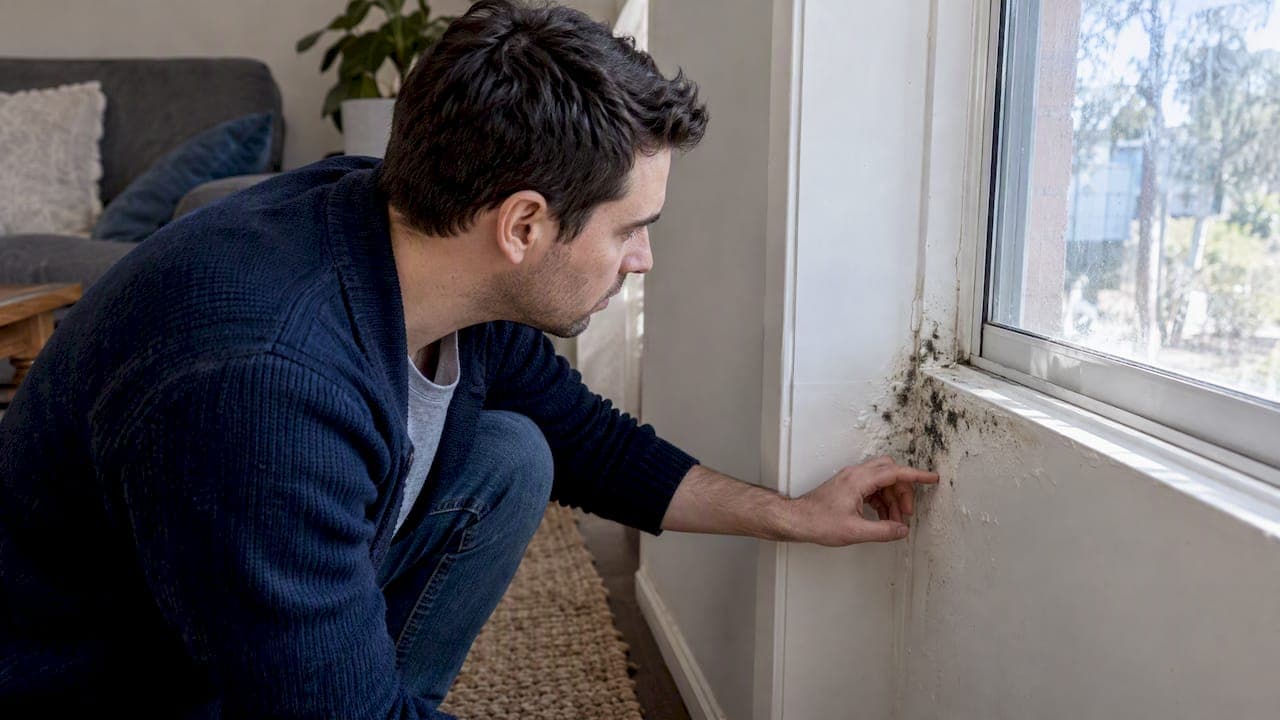
Mould alone does not automatically give a landlord grounds to end your tenancy in the ACT. It turns on the cause and severity: landlords answer for structural causes like leaks, while tenants answer for mould from their own habits. If you spot mould, tell your lessor in writing straight away and document everything.
TL;DR:
- Landlords handle mould caused by leaks, water ingress, or building defects; tenants may be responsible when poor ventilation or failure to use exhaust fans causes it.
- After written notice, repairs that are not urgent must be completed within four weeks; urgent repairs require action as soon as practicable.
- If mould makes the home uninhabitable, tenants may terminate on a specified date and seek rent abatement from that date, but only with proper notice.
- Dated photos, written repair requests, condition reports, and receipts can support an ACAT claim for repairs, compensation, rent abatement, or termination.
- Do not leave informally: tenants who skip the Act’s procedures may remain liable for unpaid rent and break lease costs, even when mould is severe.
Table of Contents
- Who is responsible for mould in ACT rentals?
- Can mould lead to a notice to vacate or termination?
- How do you report and document mould?
- What repair timelines apply to mould?
- What can ACAT order in a mould dispute?
- What cleaning and prevention steps can tenants take safely?
- What if the property is uninhabitable?
- A renter's practical next steps
- How we can help with mould-affected and end-of-lease cleans in Canberra
- FAQ
- Sources
Who is responsible for mould in ACT rentals?
Responsibility follows the cause. Legal Aid ACT's mould factsheet explains that landlords are liable for structural problems, while tenants are responsible when mould results from their own behaviour. Here is how that plays out:
- Landlord: leaking pipes, roof or gutter faults, water ingress and other building defects.
- Tenant: poor ventilation, drying washing indoors all the time, or not using the provided exhaust fans.
- Both: you must tell the lessor promptly, and the lessor cannot load unreasonable obligations onto you.
Canberra winters make condensation common, and you have a right to reasonable use and enjoyment of the home. Using the ventilation already provided is part of that bargain.
When a dispute reaches the tribunal, the question is who caused the mould. ACAT precedents show the burden of proof centres on that point, and a lessor cannot discharge the duty with a temporary fix or by passing the problem along without resolving recurrence.
Responsibility is decided by cause, not by who happens to be living in the home when the mould appears.
Can mould lead to a notice to vacate or termination?
Mould by itself does not automatically end a tenancy. Termination and notice requirements depend on the circumstances, so check the Residential Tenancies Act 1997 and Regulations or seek tenancy advice before acting on a notice. ACAT can make orders about termination and require a tenant to vacate.
Mould can also work in your favour:
- If the premises are truly uninhabitable, the Act allows termination on a specified date, and rent may abate from the date the premises became uninhabitable, subject to proper notice.
- ACAT's termination page says it can terminate a lease, require a tenant to vacate or make payment orders, and that parties must check notice requirements first.
- Do not simply walk out. Tenants who vacate without following the Act's procedures can stay liable for unpaid rent and break-lease costs, as the ACT Government's renting book explains.
How do you report and document mould?
Good records can help support your case. Work through these steps:
- Take dated photos and short videos showing where the mould is and how far it has spread.
- Send a written repair notice to your lessor or agent, stating the date, a description of the problem and a clear request for repair. Keep a copy.
- Confirm every phone call by email, and keep receipts for any cleaning products or tradesperson visits.
- Compare what you see with your incoming condition report, and keep that report somewhere safe.
The ACT Government's guidance stresses that documenting everything in writing, including dated photos and condition reports, creates an objective paper trail for ACAT.
Pro Tip: Photograph the same spot every week. A before-and-after series proves the problem is recurring, which points towards a root cause rather than a one-off spill.

What repair timelines apply to mould?
Once you have notified your lessor, the clock starts. Under the Residential Tenancies Act, as summarised by ACAT, these timeframes apply:
- Non-urgent repairs: the lessor must complete them within four weeks of notification.
- Urgent repairs: the lessor must act as soon as practicable. Think burst pipes, serious roof leaks or water pouring into living areas, where mould is growing fast.
- Missed deadlines: you can escalate with a formal complaint to the agent, then apply to ACAT for repair orders or compensation.
Not sure whether your problem counts as urgent? Ring the Tenancy Advice Service before you wait out four weeks. Housing ACT's own condition and responsibility guide takes the same cause-based line, treating mould as the tenant's responsibility unless it comes from water entering through the building structure.
What can ACAT order in a mould dispute?
ACAT can order repairs, compensation for loss of amenity, rent abatement and termination of the tenancy. Outcomes depend on notice timing, the quality of your evidence and whether the lessor fixed the root cause. The ACAT rental disputes page confirms that the Residential Tenancies Act 1997 governs these matters.
In Cope & McEachern v Walker & Walker, tenants received compensation where mould made facilities unusable and the lessors failed to repair after being notified.
ACAT decisions show compensation is possible where mould made parts of a home unusable and the lessor did not act after notice.
If you apply, bring:
- Your dated photos and videos
- Copies of every written repair request
- The incoming condition report
- Receipts for cleaning or trades work
- A note of when the lessor responded, or did not
What cleaning and prevention steps can tenants take safely?
Cleaning a small patch does not mean you accept blame for a structural fault. The ACT Government's mould guidance recommends ventilating, fixing leaks and wiping condensation promptly, and offers safe cleaning options for small areas, including dilute bleach where needed.
- Open windows and run exhaust fans in bathrooms and kitchens.
- Wipe condensation off windows and walls each morning.
- Keep cupboards and storage areas ventilated.
- Follow the ACT Government's mould-cleaning guidance, and seek advice if you are unsure how to clean an affected area safely.
- If mould keeps coming back, follows water damage or appears inside walls, notify the landlord and ask them to investigate the cause.
Pro Tip: Clean only what you can reach and see. Mould that regrows may indicate an unresolved moisture source, so notify the lessor and ask them to investigate.
What if the property is uninhabitable?
Use the formal route, not a quiet exit. If mould makes the home unfit to live in, serve written notice correctly and, where needed, apply to ACAT. Rent may abate from the date the premises became uninhabitable, but only if you follow proper procedure.
Leaving informally can leave you owing rent and break-lease costs. Before applying, collect:
- Photos and videos showing the extent of the mould
- Written repair requests and any replies
- Medical notes, if your health has been affected
- Your lease and incoming condition report
- Evidence of where you stayed and what it cost, if you had to move out
Call the Tenancy Advice Service first. A short chat can save you weeks of rent liability.
A renter's practical next steps
Notify, document, give the lessor the repair window, then escalate. That sequence is the same whether the mould is a small patch or a major leak. Ring the Tenancy Advice Service or Legal Aid ACT early, because a short call often clears up what the paperwork does not. Keep every record. And remember that professional cleaning after proper remediation is a perfectly sensible step, especially before an inspection or when you leave.
— Deng
How we can help with mould-affected and end-of-lease cleans in Canberra
Once the cause is fixed, the home still needs a proper clean. We handle end-of-lease cleans, surface cleaning of mould-affected areas, carpet steam cleaning and post-repair tidy-ups across Canberra and the ACT. Our cleaners are police-checked, we use eco-friendly products, and you can book through a simple online form with no lock-in contract.

Browse our full list of services, check our service areas to confirm we cover your suburb, or contact us for an urgent quote on an end of lease clean.
FAQ
Who pays to remove mould in an ACT rental?
It depends on the cause. Landlords carry the cost when mould comes from structural problems such as leaks or water entry, and tenants are responsible when it results from their own habits, such as poor ventilation. Legal Aid ACT sets out this cause-based rule.
What should you avoid saying to your landlord about mould?
Avoid admitting fault or promising to fix structural problems yourself. Describe what you see, give the date and ask for repair in writing. Keep the tone factual, and keep a copy of every message.
How long does a landlord have to fix mould in the ACT?
Non-urgent repairs must be completed within four weeks of notification, and urgent repairs as soon as practicable, as set out in ACAT's guidance. If the lessor misses these windows, you can escalate to ACAT.
Can my landlord blame me for mould?
Yes, if the mould comes from occupant behaviour such as poor ventilation or failing to use the provided exhaust fans. The question is what caused the mould, so keep records that may help establish its cause. Good records of your cleaning and ventilation help.