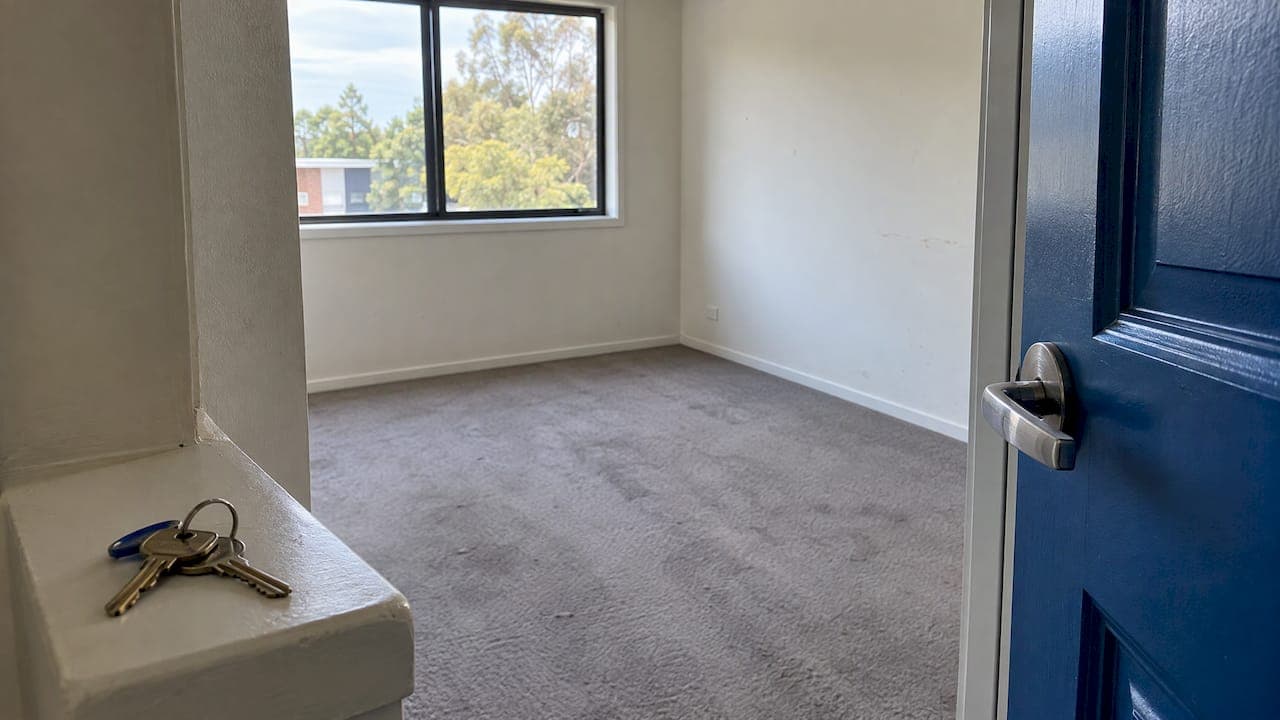
In the ACT, you must leave your rental in substantially the same state of cleanliness and repair as when you moved in, allowing for fair wear and tear. The standard is not "spotless" and it is not a landlord's personal preference. It is your own entry condition report. The law does not oblige you to hire professional cleaners or steam clean the carpets, with one narrow exception covered below. This guide explains what is required, what to clean room by room, and how to protect your bond if a claim is made.
TL;DR
- The benchmark is the condition report you received at move-in: same cleanliness and repair, fair wear and tear excepted.
- Professional cleaning is not a legal requirement in the ACT. Carpet cleaning can only be insisted on in limited circumstances.
- A landlord must support any bond claim with evidence, and you can dispute a claim through the Office of Rental Bonds and ACAT.
- Photos, receipts and a signed final condition report are your best protection.
- If you want the job done to a checklist with a bond-back guarantee, we do end of lease cleaning across Canberra and the ACT.
Table of Contents
- What the ACT actually requires at the end of a tenancy
- The condition report is your benchmark
- Do you have to hire professional cleaners or steam clean the carpets?
- What to clean before the final inspection, room by room
- The final inspection and what to do at it
- If the landlord says it wasn't clean enough
- Evidence to keep after cleaning
- Perspective: why we treat the entry report as the checklist
- Booking a bond clean in Canberra
- FAQ
- Sources
What the ACT actually requires at the end of a tenancy
The ACT Government tells tenants that before leaving they should remove all their items and ensure the property is in the same state of cleanliness and repair as at the beginning of the tenancy, with some wear and tear excepted. They should also return all keys at the final inspection and give the landlord a forwarding address.
Legal Aid ACT puts it the same way and adds a useful detail: you do not have to make the property better than it was when you first moved in, according to its Condition Reports factsheet.
That is the whole legal test. Everything else in this article is about meeting it with the least stress and the lowest risk to your bond.
During the tenancy you are also expected to look after the property and keep it reasonably clean, as set out on the ACT Government's During a tenancy page. Grease built up over two years is not a sudden end-of-lease problem, it is a tenancy-long one, and it is the first thing an inspector notices.

The condition report is your benchmark
A landlord or agent must give you two paper copies of the condition report (or an electronic copy if you agree) no later than the day after you move in. This is stated in the ACT Renting Book, which references section 29(1) of the Residential Tenancies Act 1997. The same book explains that the condition report is used as evidence when disputes about damage and bond refunds arise.
That makes the document more important than any generic checklist. If the entry report notes a stained oven, marked carpet or scuffed walls, you are not required to fix those at exit. If it says the property was clean and the grout was white, that is the picture you are returning to.
Two practical points follow:
- Check your copy now. If you never received one, Legal Aid ACT advises documenting this and telling the landlord or agent in writing that it has not been received. It also suggests completing your own report with photos or video, per its bond factsheet.
- Read it before you sign the final one. The ACT Government advises checking the condition report before signing the final inspection report, and recording any agreement about fixing damage in writing.
Fair wear and tear: where cleaning ends and damage begins
Fair wear and tear depends on how the damage happened and how bad it is, and it must come from normal everyday use. Legal Aid ACT's factsheet gives examples that count as fair wear and tear: worn carpet in high-traffic areas, small scuff marks on walls and light scratches on timber floors. It lists examples that do not: knife damage on benchtops, red wine stains on carpet, lawn damage from car parking and broken windows or glass.

Dirt is a different category again. Dust, grease and soap scum are not wear and tear, they are the part of the standard that you control. That is why cleaning is where most bond arguments start.
Do you have to hire professional cleaners or steam clean the carpets?
No. Legal Aid ACT's bond factsheet and the ACT Renting Book both say there is no requirement for a tenant to use professional cleaning or carpet cleaning services.
There is one narrow exception. ACAT accepts that carpets must be professionally cleaned at the end of a tenancy only if both of these are true:
- Your tenancy agreement says so.
- The carpets were professionally cleaned at the beginning of your tenancy, and the landlord can provide a receipt showing it.
If your agreement has a carpet clause, check whether you were given that receipt. If you were, a professional carpet clean is the safest way to close the loop. Our End of Lease & Bond Cleaning and carpet cleaning services cover this, and you can keep the invoice as proof.
Many tenants still choose a professional clean for a different reason: time and certainty. Moving house leaves little room for scrubbing an oven. A cleaner working to a checklist, with a receipt at the end, gives you a record you can produce if the agent questions the result.
What to clean before the final inspection, room by room
The ACT's legislation does not publish a room-by-room list, so this is practical guidance built on the legal standard: return each room to the state recorded in your entry report. Work from the top down and from the back of the property to the front door, so you do not walk dirt over finished floors.
The habits that keep a home in good shape year-round also make the final clean easier, and this guide to simple ways to keep a healthy home covers several of them.
Kitchen
The kitchen draws the most scrutiny because grease is visible and hard to fake.
- Oven: racks, trays, door glass and the cavity, with no burnt-on residue.
- Rangehood: filter and exterior. Grease builds up here quickly.
- Cooktop, including under the burner rings or around the induction surface.
- Inside and outside of cupboards, drawers and the pantry, emptied and wiped.
- Fridge, if it belongs to the property: shelves, seals, drip tray, and left defrosted and dry.
- Sink, tapware and splashback, with no limescale or food residue.
- Dishwasher filter, if one is fitted.
We have broken this down further in our guide to vacate cleaning kitchen requirements in the ACT.
Bathrooms and toilets
- Shower screen, tiles and grout, with soap scum and mould removed.
- Taps, drains and plugholes cleared of hair.
- Vanity, mirror and cabinets, inside and out.
- Toilet: bowl, cistern, seat, base and behind the pan.
- Exhaust fan cover, which is often forgotten and visibly furred with dust.
- Floor and skirting, mopped.
Bedrooms and living areas
- Wardrobes and built-ins, emptied and wiped, with tracks vacuumed.
- Light fittings, ceiling fans and air-conditioning vents dusted.
- Skirting boards, door frames, window sills and tracks wiped.
- Walls spot-cleaned for marks. Do not repaint unless your entry report or the landlord's written agreement covers it.
- Carpet vacuumed thoroughly. Hard floors swept and mopped.
- Blinds and curtains: dusted or cleaned according to their condition at entry.
Windows, laundry and outdoors
- Window glass inside, plus reachable outside panes, and the tracks.
- Laundry tub, cupboards, and the dryer lint filter if one is provided.
- Balcony, courtyard or patio swept and hosed, with cobwebs removed from eaves and doors.
- Garage or storeroom swept and cleared, with oil marks treated where possible.
- Garden tidied to the condition recorded in your report. Remove rubbish and bins.
For a longer list you can work through in order, see our end of lease cleaning checklist for Australian renters, and for a view of what a professional clean usually covers, read about bond cleaning inclusions in Canberra.
The final inspection and what to do at it
The landlord and tenant must carry out the final inspection together, and its purpose is to check the property against the condition report you signed at move-in. The ACT Renting Book's end-of-tenancy checklist also covers the steps around it. Use it as your running order:
- Remove all belongings and agree any modifications with the landlord.
- Attend the final inspection in person.
- Read the final condition report before you sign it. If you disagree with an item, note that on the report and photograph the disputed area.
- Return all keys and security devices.
- Discuss the bond approach with the landlord or agent.
- Update your contact details with the Office of Rental Bonds.
- Arrange final meter readings and give a forwarding address.
Always attend. If an inspection happens without you, you lose the chance to point to the entry report line by line. Our article on how to pass a bond inspection in the ACT goes through what inspectors tend to check first, and the guide to end of lease inspection cleaning shows how to match your entry report.
If the landlord says it wasn't clean enough
A landlord who wants money from your bond has to justify it. Legal Aid ACT explains that a landlord may claim the reasonable cost of repairs from the bond and must support the claim with evidence.
The deductions allowed under section 31 of the Act include reasonable repair or restoration costs for damage other than fair wear and tear, the cost of securing the premises if keys are not returned, rent owing and some other items, as summarised by Landlord Wise. Cleaning is not a separate listed category. In practice, where a property has been left so dirty that fittings are damaged or have deteriorated, the claim is made as restoration under section 31(a).
Timing for the bond release
The lessor must give you a signed bond release application form within 3 working days after the agreement ends, or within 10 working days if the application includes a claim for damage repair or securing the premises. That timing comes from the Residential Tenancies Legislation Amendment Act 2016.
Disputing a claim
If the Office of Rental Bonds receives a release application that is not signed by the landlord or all tenants, it notifies the other party, who has 10 working days to dispute the release. If they do, the matter goes to ACAT, as Legal Aid ACT explains.
At ACAT, the parties receive a conference notice. Landlord Wise reports that the lessor must provide a list of claims at least 7 days before the conference, and that if no agreement is reached a hearing date is set. For a hearing, the usual evidence includes:
- the tenancy agreement
- ingoing and outgoing condition reports
- quotes, invoices and receipts
- photographs
- a timeline of events and any witness statements
Your side of that pile is easy to build in advance. Take dated photos of every room after cleaning, keep any cleaner's invoice, and keep the signed final report.
Evidence to keep after cleaning
- Dated photos or short videos of each room, including oven, bathrooms and carpets.
- The cleaning invoice or receipt, with the address and date.
- Your copy of the entry condition report and the signed final report.
- Written messages with the agent about the inspection, keys and any agreed repairs.
- The date and time you returned the keys.
Perspective: why we treat the entry report as the checklist
Most of the bond stress we see comes from one misunderstanding: tenants think they have to hand back a showroom, and agents sometimes treat the inspection as a chance to reset the property to new. Neither is the standard. The standard is the condition report.
So we start every end of lease job by asking for the entry report and working to it, room by room. We would rather match the record than guess at what an inspector might want. It is also why we put our guide to ACT tenant cleaning obligations in front of renters before they book anything.
What we offer is built around that. Our cleaners are police-checked and insured, we use eco-friendly products, and we back end of lease cleans with a bond-back guarantee and a 100% satisfaction guarantee. There are no lock-in contracts and we schedule around your move-out date, because moves rarely run to plan. If an issue is raised after the clean, our process for reporting bond back guarantee issues sets out how quickly to come back to us.
A clean you can document is a bond you can defend.
Deng
Booking a bond clean in Canberra
If you would rather hand the job to a team, our end of lease cleaning in Canberra is built around the standard described above: the kitchen, bathrooms, floors, windows and fittings, finished to match your entry report. We also clean carpets and upholstery with steam, and we can add them to the same visit.

Tell us your move-out date and the property size, and we will tailor the clean to the property. Our services page lists everything else we do, from presale cleaning to property inspection cleaning. Prices are quoted per job, so ask for a quote before you commit, and read our tips on choosing a cleaner in Canberra to compare any quote properly.
FAQ
Do I need a professional cleaner to get my bond back in the ACT?
No. The law requires you to return the property in substantially the same cleanliness as at move-in, not to hire a professional. A professional clean is simply a convenient way to meet that standard and to hold a receipt.
Can my landlord make me steam clean the carpets?
Only in limited cases. ACAT accepts a professional carpet clean requirement if your agreement says so and the carpets were professionally cleaned at the start of the tenancy, with a receipt from the landlord to prove it. Otherwise, vacuuming and treating marks is generally the expectation.
Do I have to fix marks on the walls and worn carpet?
Not if they are fair wear and tear. Legal Aid ACT counts worn carpet in high-traffic areas, small scuffs on walls and light scratches on timber floors as wear and tear. Stains, burns and holes from misuse are different, so photograph them and check them against your entry report.
What if the landlord claims cleaning costs from my bond?
They must support the claim with evidence. If you disagree, do not sign the bond release. The Office of Rental Bonds notifies the other party, who has 10 working days to dispute, and an unresolved dispute goes to ACAT.
Should I be at the final inspection?
Yes. The landlord and tenant must carry out the inspection together, and you can point to the entry report, note disagreements on the final report and photograph disputed items while you are there.
Sources
- Ending a tenancy, ACT Government
- During a tenancy, ACT Government
- The Renting Book, January 2026
- Condition Reports factsheet, Legal Aid ACT
- Bond factsheet, Legal Aid ACT
- Residential Tenancies Legislation Amendment Act 2016 (ACT)
- Rental Bond ACT guide, Landlord Wise
- Simple ways to keep a healthy home